
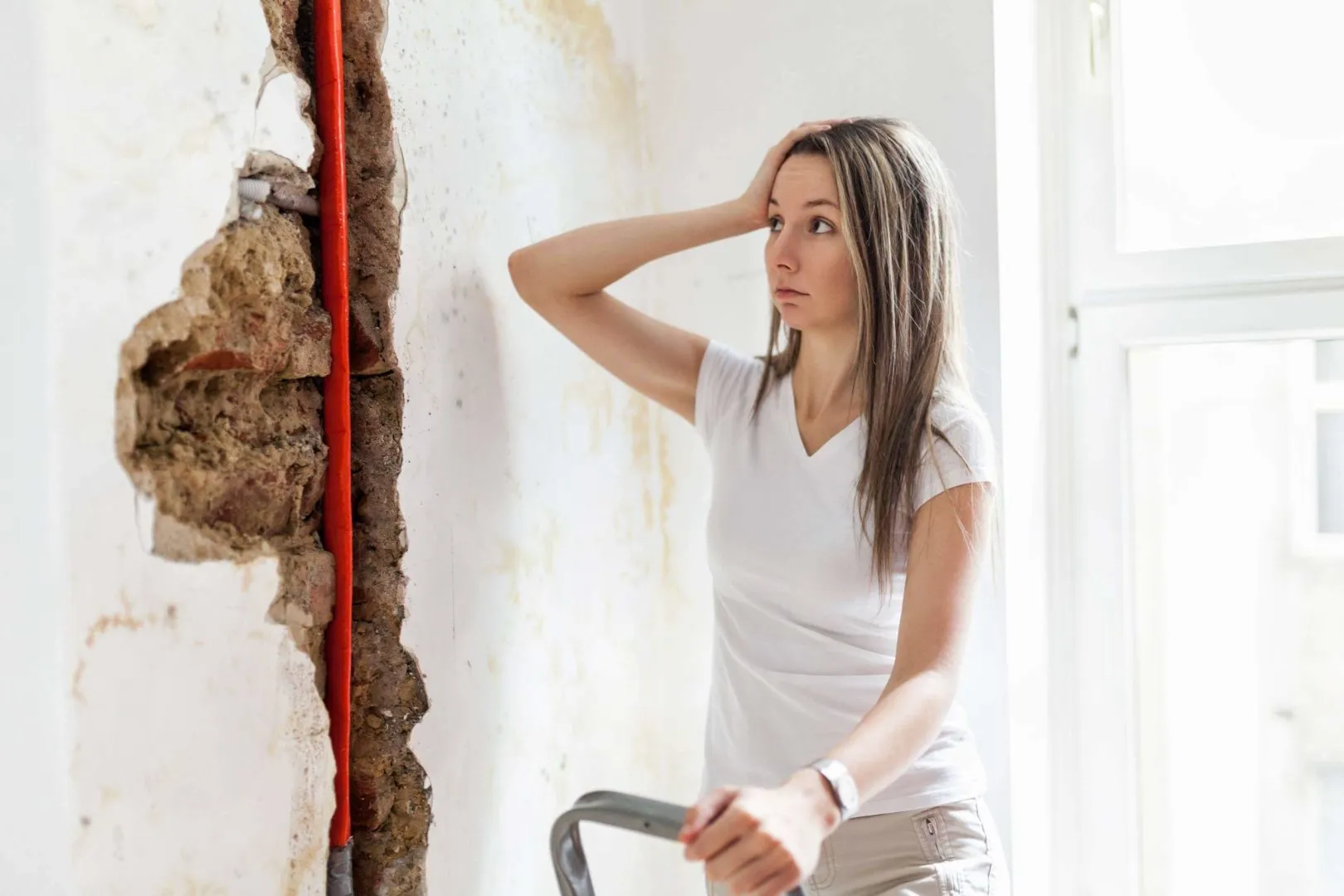
Quick Answer: The 10 warning signs of hidden water damage are: unexplained water bill increases (10%+), persistent musty odors, water stains on ceilings or walls, bubbling or peeling paint, warped floors or walls, visible mold growth, deteriorating grout and caulk, sounds of running water when fixtures are off, soft spots in walls or floors, and rust or corrosion on pipes. If you notice any of these signs, call Save The Day Restoration at (562) 246-9908 for professional moisture detection with thermal imaging across LA and Orange County.
Why Is Hidden Water Damage So Dangerous for Southern California Homes?
Hidden water damage is one of the most financially devastating problems a homeowner can face—precisely because it progresses silently behind walls, under floors, and above ceilings where you can't see it. By the time most homeowners discover hidden water damage, weeks or months of deterioration have already occurred, turning what could have been a $500 repair into a $10,000-$50,000+ restoration project.
At Save The Day Restoration, we've inspected thousands of Los Angeles and Orange County homes with hidden water damage. The pattern is almost always the same: homeowners noticed small warning signs but dismissed them as cosmetic issues or normal wear and tear. By the time they called for professional assessment, extensive mold growth, structural deterioration, and material damage had already taken hold.
Southern California homes face unique hidden water damage risks. Slab foundations common throughout LA and Orange County are particularly susceptible to slab leaks that can go undetected for months. Older homes in Pasadena, Glendale, Long Beach, and Santa Ana may have aging copper or galvanized steel plumbing that develops pinhole leaks inside walls. Even newer construction in Irvine, Newport Beach, and other Orange County communities can experience hidden water damage from improperly installed plumbing connections or failed appliance supply lines.
The key to protecting your home and your finances is knowing what to look for. These 10 warning signs can alert you to hidden water damage before it becomes catastrophic.
Warning Sign #1: Why Is Your Water Bill Suddenly Higher?
An unexplained increase of 10% or more in your monthly water bill is often the first measurable indicator of a hidden leak. In the greater Los Angeles and Orange County area, average residential water bills range from $60-$120 per month. If your bill jumps $15-$30 or more without a change in usage habits, a hidden leak is a likely culprit.
To confirm a suspected leak, perform the water meter test. Turn off every water-using fixture and appliance in your home—including ice makers, irrigation systems, and water softeners. Locate your water meter (usually in a concrete box near the street) and record the reading. Wait 2 hours without using any water, then check the meter again. If the numbers have changed, you have a leak somewhere in your system.
Even small leaks waste significant water and cause progressive damage. A faucet dripping once per second wastes over 3,000 gallons per year. A toilet with a silent leak can waste 200 gallons per day. A pinhole leak in a supply line inside a wall can release 1-2 gallons per hour—enough to saturate drywall, subflooring, and insulation within days.
If your meter test confirms a leak but you can't locate the source, call Save The Day Restoration for professional leak detection using acoustic equipment and thermal imaging cameras that can pinpoint leaks inside walls, under slabs, and in other hidden locations.
Warning Sign #2: What Causes Persistent Musty Odors in Your Home?
If you notice a persistent musty, earthy, or moldy smell in your home—especially in specific rooms or areas—it's almost certainly a sign of hidden moisture and microbial growth. Your nose is detecting microbial volatile organic compounds (mVOCs), which are gases released by mold and bacteria colonies as they feed on damp building materials.
These odors are often strongest in enclosed spaces like closets, cabinets under sinks, bathrooms without windows, laundry rooms, and basements or crawl spaces. In many Southern California homes, the musty smell is most noticeable when you first enter the house after being away, because your nose becomes desensitized to constant odors when you're home all day.
Pay particular attention if the smell gets worse after rain (indicating possible roof or exterior wall leaks), is concentrated near plumbing walls (the walls where pipes run), seems to come from the floor (possible slab leak or subfloor moisture), or is strongest near the HVAC system (indicating condensation issues or a clogged condensate drain).
Never ignore musty odors or try to mask them with air fresheners. The smell indicates active biological growth that poses health risks—particularly for family members with asthma, allergies, or compromised immune systems—and signals ongoing moisture that is deteriorating your home's structure.
Warning Sign #3: What Do Water Stains on Ceilings and Walls Mean?
Water stains are visible evidence that moisture has penetrated your home's structure. These stains appear in different patterns that can help identify the source:
Yellowish-brown ceiling rings: Typically indicate an active or recurring leak from above—either a roof leak, a plumbing leak from an upstairs bathroom, or condensation from an HVAC unit in the attic. Circular rings that grow over time indicate an ongoing problem.
Vertical streaking on walls: Suggests water is running down inside the wall cavity from a leak at a higher point—often a roof penetration, a failed pipe connection, or water entering from the exterior through compromised flashing or caulking.
Dark spots near the floor: On ground-floor rooms, dark spots near baseboards can indicate rising moisture from a slab leak, exterior grading that directs water toward the foundation, or a failed vapor barrier under the slab.
Stains that reappear after painting: If you paint over a water stain and it bleeds through or reappears within weeks, the underlying moisture problem is still active. Painting over water stains without addressing the source is one of the most common—and costly—mistakes homeowners make.
Any water stain, regardless of size, warrants professional investigation. What appears as a small stain on the surface often conceals extensive moisture damage behind the wall or above the ceiling.
Warning Sign #4: Why Is Your Paint Bubbling, Cracking, or Peeling?
Paint and wallpaper are surprisingly sensitive indicators of hidden moisture. When water collects behind a painted surface, it disrupts the bond between the paint and the wall, causing visible distortion:
Bubbling or blistering: Small or large bubbles in the paint surface contain trapped moisture or air displaced by moisture. Pop a bubble carefully—if water comes out, there's an active leak behind the wall.
Peeling or flaking: Paint that peels away in strips or flakes, especially in bathrooms, kitchens, or laundry rooms, indicates prolonged moisture exposure. In these rooms, the cause may be inadequate ventilation, but peeling paint in bedrooms, living rooms, or hallways almost always indicates a hidden leak.
Cracking in a pattern: "Map cracking" or "alligator skin" patterns in paint can indicate moisture cycling—the wall gets wet, dries partially, gets wet again—causing the paint to expand and contract repeatedly until it cracks.
In older Los Angeles homes built before 1978, be cautious about disturbing peeling paint, as it may contain lead. Have it tested before scraping or sanding.
Warning Sign #5: What Causes Floors, Walls, and Ceilings to Warp?
Warped structural elements indicate significant and prolonged water exposure that has compromised the integrity of building materials:
Hardwood floor cupping: When the edges of hardwood planks curl upward while the center remains lower, moisture is being absorbed from below—typically from a slab leak, a plumbing leak under the floor, or excessive moisture in the crawl space. Cupping is extremely common in coastal LA and Orange County homes where elevated humidity compounds the problem.
Laminate or vinyl floor buckling: These materials swell when exposed to moisture, causing them to lift away from the subfloor. Buckling often starts at seams and spreads outward from the moisture source.
Sagging ceilings: This is a genuine emergency. A sagging ceiling indicates heavy water accumulation above, and it can collapse without warning—potentially causing serious injury. If you notice ceiling sagging, evacuate the room immediately and call for professional help.
Bowing walls: Walls that lean or bow inward or outward may indicate water-damaged studs or bottom plates that have lost their structural capacity. This is particularly concerning in load-bearing walls.
Warning Sign #6: How Do You Identify Mold Growth in Your Home?
Visible mold is definitive proof that excess moisture has been present long enough for biological colonization—typically a minimum of 24-48 hours, though established colonies indicate weeks or months of moisture exposure.
Mold appears in many forms: black, green, or gray fuzzy patches on walls or ceilings, white or gray powdery coating on surfaces, dark spots in grout lines that don't respond to cleaning, and discoloration on the backside of furniture pushed against exterior walls.
Check these common hiding spots: under sinks and around pipe penetrations, behind toilets and around toilet bases, around windows (especially single-pane windows that generate condensation), inside closets on exterior walls, behind furniture that blocks airflow against walls, and in the HVAC drip pan and around air handler units.
In Southern California's climate, the most common indoor mold species are Aspergillus, Penicillium, and Cladosporium. While black mold (Stachybotrys chartarum) gets the most attention, all indoor mold growth indicates a moisture problem that needs professional resolution.
Never attempt to clean extensive mold yourself. Disturbing mold colonies releases millions of spores into the air, potentially spreading contamination and creating health hazards. IICRC-certified mold remediation professionals use containment barriers, negative air pressure, HEPA filtration, and proper PPE to safely remove mold.
Warning Sign #7: Why Is Your Grout and Caulk Deteriorating?
Crumbling, cracking, or discolored grout and caulk in bathrooms and kitchens serve as both a warning sign of existing moisture problems and a gateway for future water infiltration.
Properly installed grout in a well-ventilated bathroom should last 15-20 years. If your grout is failing prematurely—especially if it's crumbling, turning dark, or pulling away from tiles—excessive moisture is the likely culprit. The grout is absorbing more water than it can handle, breaking down from the inside out.
When grout and caulk fail, water flows behind tiles and into wall cavities with every shower, every bath, and every splash at the sink. Over time, this creates extensive hidden damage: waterlogged drywall or cement board, mold growth behind the tile surface, deteriorated wall studs, and damaged subfloor beneath bathroom flooring.
In many LA and Orange County homes, failed shower and tub caulk is the single most common cause of hidden bathroom water damage. Inspect caulk lines around tubs, showers, and sinks every 6 months and replace any that show gaps, peeling, or discoloration.
Warning Sign #8: What Does It Mean When You Hear Running Water?
If you hear the sound of running water when every faucet, appliance, and irrigation system is turned off, you have an active leak that is causing ongoing damage every minute it continues.
To investigate, create complete silence in your home—turn off the TV, HVAC, and any background noise. Walk slowly through your home, listening carefully near walls (especially plumbing walls that contain pipes), near the water heater, in bathrooms and kitchens, and near the washing machine area.
The sound may be a steady drip, a hissing sound (indicating pressurized water escaping a pipe), or a rushing sound (indicating a larger breach). A leak you can hear typically wastes 50-200+ gallons per day and is causing progressive structural damage in real time.
Slab leaks are particularly common in Southern California and may produce a sound that seems to come from the floor itself. Hot water slab leaks may also create noticeable warm spots on tile or concrete floors.
If you hear running water, call a plumber and a restoration company immediately. Every day of delay means more water damage, more mold risk, and higher repair costs.
Warning Sign #9: What Do Soft Spots in Walls and Floors Indicate?
Soft, spongy, or springy areas in walls, floors, or ceilings indicate that building materials have absorbed so much water that they've lost structural integrity. This is an advanced stage of water damage that indicates prolonged moisture exposure.
Soft spots in floors: When subflooring (typically plywood or OSB) absorbs water, it swells and delaminates, creating a spongy feeling underfoot. This is especially common around toilets (failed wax ring seal), near bathtubs and showers (failed caulk), and in front of dishwashers and under sinks.
Soft spots in walls: Drywall that feels soft or gives way when you press on it has absorbed significant moisture. The paper facing begins to delaminate, the gypsum core turns to mush, and the wall loses all structural integrity in the affected area.
Soft spots in ceilings: This is a critical emergency. A water-saturated ceiling can hold hundreds of pounds of water before collapsing suddenly and without warning. If you discover a soft spot in a ceiling, evacuate the room immediately and call for professional help.
Warning Sign #10: What Does Rust and Corrosion on Pipes Mean?
Visible rust, corrosion, or mineral deposits on exposed pipes, fittings, and water heater connections indicate prolonged moisture exposure and signal that plumbing failure may be imminent.
Surface rust (orange discoloration): Early-stage corrosion. The pipe is being exposed to moisture, either from condensation or a small leak nearby. Address promptly before it progresses.
Scaling and heavy corrosion (rough, crusty buildup): Advanced corrosion that has significantly weakened the pipe wall. Replacement is needed soon—failure could happen at any time.
Green corrosion on copper pipes: Indicates chemical reaction between the copper and water or soil. Common in older LA and Orange County homes with original copper plumbing, especially in areas with aggressive water chemistry.
Pitting (small holes or dimples): The pipe wall is being eaten through from the inside. A leak is imminent or may already be occurring as a slow seep.
Corroded pipes don't get better—they only get worse, and they will eventually fail catastrophically. Proactive replacement of corroded pipe sections is far less expensive than emergency restoration after a burst pipe floods your home.
What Should You Do If You Find These Warning Signs?
If you identify one or more of these warning signs, take action immediately. Document everything with photos and videos. If you can identify the water source, stop it (shut off water to the affected fixture or the main valve). Do not paint over, cover up, or attempt to repair water stains or mold without addressing the underlying moisture source. Call professionals within 24 hours for assessment.
Save The Day Restoration provides comprehensive hidden water damage detection using advanced thermal imaging cameras that reveal moisture behind walls without demolition, professional-grade moisture meters that measure water content in all building materials, acoustic leak detection equipment for slab leaks, and complete damage assessment with detailed documentation for insurance claims.
FAQ: Hidden Water Damage Detection
Q: How much does a professional water damage inspection cost in LA and Orange County?
A: Basic moisture inspections range from $150-$400. Comprehensive inspections with thermal imaging and full moisture mapping run $400-$800. Many restoration companies, including Save The Day Restoration, offer free emergency assessments when water damage is suspected.
Q: Can I detect hidden water damage myself?
A: You can identify the warning signs described in this guide, but professional equipment is needed to detect moisture behind walls, under floors, and in other concealed spaces. DIY detection typically misses 60-70% of hidden damage because it relies on visual and tactile clues that only appear after significant deterioration has occurred.
Q: What is the most common source of hidden water damage in Southern California?
A: Slab leaks under concrete foundations are the most common and most costly source of hidden water damage in LA and Orange County. Other common sources include aging plumbing in pre-1980s homes, failed supply line connections to appliances, HVAC condensation issues, and slow roof leaks.
Q: Does homeowner's insurance cover hidden water damage?
A: Most policies cover sudden and accidental water damage, but may deny claims for damage attributed to long-term neglect or deferred maintenance. This is why early detection is so important—addressing warning signs promptly helps ensure your claim is covered and prevents the insurer from classifying the damage as gradual neglect.
Q: How fast can hidden water damage spread through a home?
A: Water travels through building materials by capillary action, often moving 1-2 feet per day through drywall and even faster through insulation. A single pinhole leak can saturate an entire wall cavity within a week and create conditions for mold growth within 48 hours.
Q: What does mold from hidden water damage smell like?
A: Hidden mold produces a distinctive musty, earthy odor often compared to damp cardboard, wet socks, or a forest floor. The smell is caused by microbial volatile organic compounds (mVOCs) released by active mold colonies. If you notice this smell, especially in specific areas of your home, hidden moisture and mold growth are almost certainly present.
Protect Your Home With Professional Detection
Hidden water damage is a silent destroyer of homes and finances. The warning signs are there if you know what to look for—and the earlier you act, the less damage and cost you'll face. Don't wait for a small warning sign to become a major emergency.
Call Save The Day Restoration at (562) 246-9908 for professional hidden water damage detection throughout Los Angeles and Orange County. Our IICRC-certified technicians use advanced thermal imaging and moisture detection technology to find hidden damage without invasive demolition. We serve all of LA and Orange County, respond 24/7, and provide complete documentation for insurance claims. Licensed general contractor #1049188.
.png)

About Save The Day Restoration
Save The Day Restoration & Reconstruction is a locally owned disaster restoration company in Signal Hill, CA serving all of Los Angeles and Orange County. We handle water damage, fire damage, mold remediation, and licensed reconstruction. IICRC certified. Contractor #1049188. Call (562) 246-9908 anytime.

Keep reading
More expert guides from our restoration team


Damage needs immediate action
Call (562) 246-9908 for 24/7 emergency restoration. Licensed #1049188. Serving all of LA and Orange County.