
Quick Answer: Mold exposure causes respiratory symptoms (coughing, wheezing, congestion), allergic reactions (sneezing, itchy eyes, skin rashes), and can trigger or worsen asthma attacks. Prolonged exposure to toxic mold species like Stachybotrys (black mold) can cause chronic respiratory illness, neurological symptoms, and immune system suppression. Children, elderly adults, pregnant women, and immunocompromised individuals face the highest risk. Any visible mold or persistent musty odor warrants professional assessment. Call Save The Day Restoration at (562) 246-9908 for IICRC-certified mold remediation across LA and Orange County.
Why Should Every Homeowner Take Mold Seriously?
Mold is not just a cosmetic problem or a minor inconvenience—it's a biological hazard that actively degrades your indoor air quality and can cause serious health problems for everyone living in the home. The World Health Organization has identified indoor mold exposure as a significant public health concern, linking it to respiratory disease, allergic illness, and impaired immune function.
What makes mold particularly dangerous is that it's often invisible. By the time you see mold growing on a surface, the colony has already released millions of microscopic spores into your indoor air. These spores—along with mycotoxins, volatile organic compounds, and cell fragments—are inhaled with every breath, deposited in your lungs, and absorbed into your bloodstream.
At Save The Day Restoration, we've remediated mold in thousands of Los Angeles and Orange County homes. Many homeowners call us only after family members develop unexplained health symptoms—chronic coughing, recurring sinus infections, worsening asthma, persistent fatigue, or headaches that improve when they leave the house. In many cases, hidden mold behind walls, under flooring, or in HVAC systems was the cause.
What Health Problems Does Mold Exposure Cause?
How Does Mold Affect Your Respiratory System?
The respiratory system is the primary pathway for mold exposure, and respiratory symptoms are the most common health effects. Mold spores, fragments, and mycotoxins inhaled into the lungs cause chronic coughing and throat irritation, nasal congestion and sinus pressure, wheezing and shortness of breath, chest tightness, recurring bronchitis and upper respiratory infections, and post-nasal drip.
These symptoms often develop gradually as mold colonies grow and spore counts increase. Many people attribute them to allergies, a lingering cold, or seasonal changes—not realizing their home environment is the cause. A telltale sign is symptoms that improve when you leave the house and return when you come back.
How Does Mold Trigger Allergic Reactions?
Approximately 10-20% of the general population is allergic to mold, and the percentage is significantly higher among people with existing allergies or asthma. Mold allergy symptoms include sneezing and runny nose, itchy and watery eyes, skin rashes and hives, itchy throat and ears, and worsening of eczema or other skin conditions.
Unlike seasonal outdoor allergies that follow pollen cycles, indoor mold allergies persist year-round because the mold source is constant. In Southern California's moderate climate, indoor mold can grow actively during every season—there's no winter freeze to slow it down.
How Does Mold Affect People With Asthma?
For the approximately 25 million Americans with asthma, mold exposure is a significant and potentially life-threatening trigger. The EPA identifies indoor mold as one of the top asthma triggers, and research shows that mold exposure can trigger acute asthma attacks, increase the frequency and severity of asthma episodes, reduce lung function over time, cause asthma to develop in previously unaffected children, and increase emergency room visits and hospitalizations.
If anyone in your household has asthma and symptoms are worsening or becoming harder to control with medication, hidden mold should be investigated as a potential cause.
What Are the Effects of Long-Term Mold Exposure?
Prolonged exposure to elevated mold levels—particularly to toxigenic species—can cause more serious health effects: chronic inflammatory response syndrome (CIRS), which involves multi-system inflammation affecting the respiratory, neurological, and immune systems; hypersensitivity pneumonitis, a serious lung condition caused by immune reaction to inhaled organic particles; cognitive effects including memory problems, difficulty concentrating, brain fog, and mood changes; chronic fatigue and weakness; recurring infections due to immune suppression; and joint pain and muscle aches.
These chronic effects are associated with prolonged exposure to toxigenic mold species, particularly Stachybotrys chartarum (black mold), Aspergillus flavus and fumigatus, Chaetomium, and Fusarium. However, any mold growing indoors at elevated levels can cause health problems regardless of species.
Which Types of Mold Are Most Dangerous?
What Is Black Mold and How Dangerous Is It?
Stachybotrys chartarum—commonly called "black mold" or "toxic black mold"—is the species that receives the most public attention, and for good reason. Stachybotrys produces potent mycotoxins (satratoxins and others) that can cause severe respiratory symptoms, neurological effects, and immune suppression with prolonged exposure.
Stachybotrys requires consistently wet conditions to grow—it thrives on water-damaged drywall, ceiling tiles, and other cellulose-based materials that have been wet for extended periods. It's commonly found in homes with chronic water leaks, flooding that wasn't properly remediated, or persistent condensation problems.
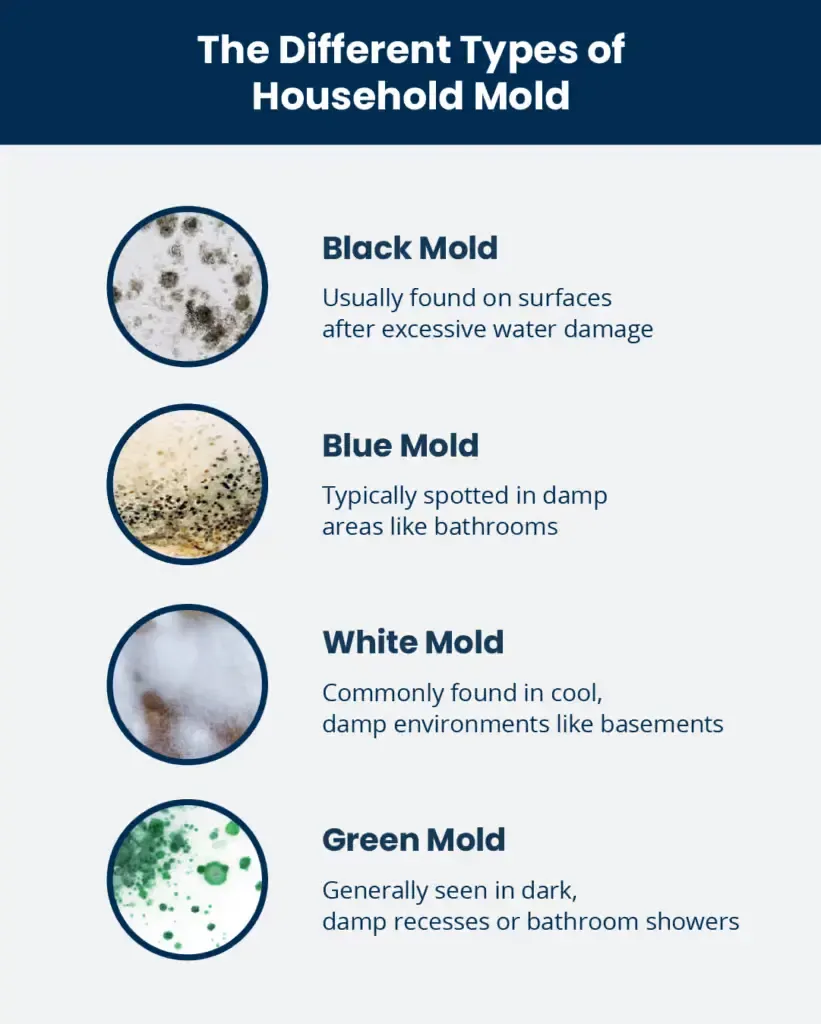
However, it's important to understand that you cannot identify mold species by color alone. Many mold species appear black, and Stachybotrys isn't always black. Professional testing is the only way to identify mold species definitively.
What Other Mold Species Are Common in Southern California Homes?
Aspergillus: The most common indoor mold genus. Some species produce aflatoxins and other mycotoxins. Particularly dangerous for immunocompromised individuals, potentially causing invasive aspergillosis (a serious infection).
Penicillium: Rapidly growing mold that spreads easily through HVAC systems. Produces musty odors and can trigger strong allergic reactions. Very common in water-damaged buildings throughout LA and Orange County.
Cladosporium: Common both indoors and outdoors in Southern California. A significant allergen that can trigger asthma and allergic rhinitis. Often found on fabrics, carpets, and under sinks.
Alternaria: An outdoor mold that commonly enters homes through open windows and HVAC systems. One of the most common mold allergens and a potent asthma trigger. Thrives in Southern California's warm, dry climate.
Chaetomium: Found on severely water-damaged drywall and paper products. Produces mycotoxins and has a distinctive musty odor. Indicates significant and prolonged water damage.
Who Is Most Vulnerable to Mold Health Effects?
While mold can affect anyone, certain populations face significantly higher risk:
Infants and young children: Developing immune and respiratory systems are more susceptible to mold damage. Research links early childhood mold exposure to the development of asthma, increased respiratory infections, and potential long-term lung function impairment.
Elderly adults: Age-related decline in immune function increases vulnerability to mold-related infections and respiratory illness.
Pregnant women: Mold exposure during pregnancy is associated with increased respiratory symptoms and potential complications. The developing fetus may also be affected by maternal immune responses to mold.
Immunocompromised individuals: People with HIV/AIDS, cancer patients undergoing chemotherapy, organ transplant recipients on immunosuppressive drugs, and others with weakened immune systems face risk of invasive fungal infections from mold species like Aspergillus that healthy individuals typically resist.
People with existing respiratory conditions: Asthma, COPD, chronic bronchitis, and other respiratory conditions are significantly worsened by mold exposure.
People with mold allergies: The 10-20% of the population allergic to mold experience immediate and persistent symptoms that degrade quality of life.
How Do You Know If Mold Is Making You Sick?
Mold-related illness can be difficult to diagnose because symptoms overlap with many other conditions. However, there are patterns that suggest mold exposure:
Location-dependent symptoms: Symptoms that appear or worsen at home and improve when you're away (at work, on vacation) strongly suggest an indoor environmental cause. Track your symptoms and location for 1-2 weeks to identify patterns.
Multiple family members affected: When several household members develop similar respiratory or allergic symptoms simultaneously, the shared environment—not individual illness—is the likely cause.
Symptoms that don't respond to treatment: Allergies that don't improve with antihistamines, sinus infections that recur despite antibiotics, or asthma that becomes harder to control despite medication adjustments may indicate ongoing mold exposure rather than a primary medical condition.
Visible mold or musty odors: Any visible mold growth or persistent musty smell in your home confirms an active mold problem. Even small visible patches indicate much larger hidden colonies releasing spores into your air.
If you suspect mold-related illness, consult your physician and mention your concern about indoor mold exposure. Medical testing can confirm mold sensitization, and professional mold inspection can identify and quantify the source.
Why Is DIY Mold Removal Dangerous?
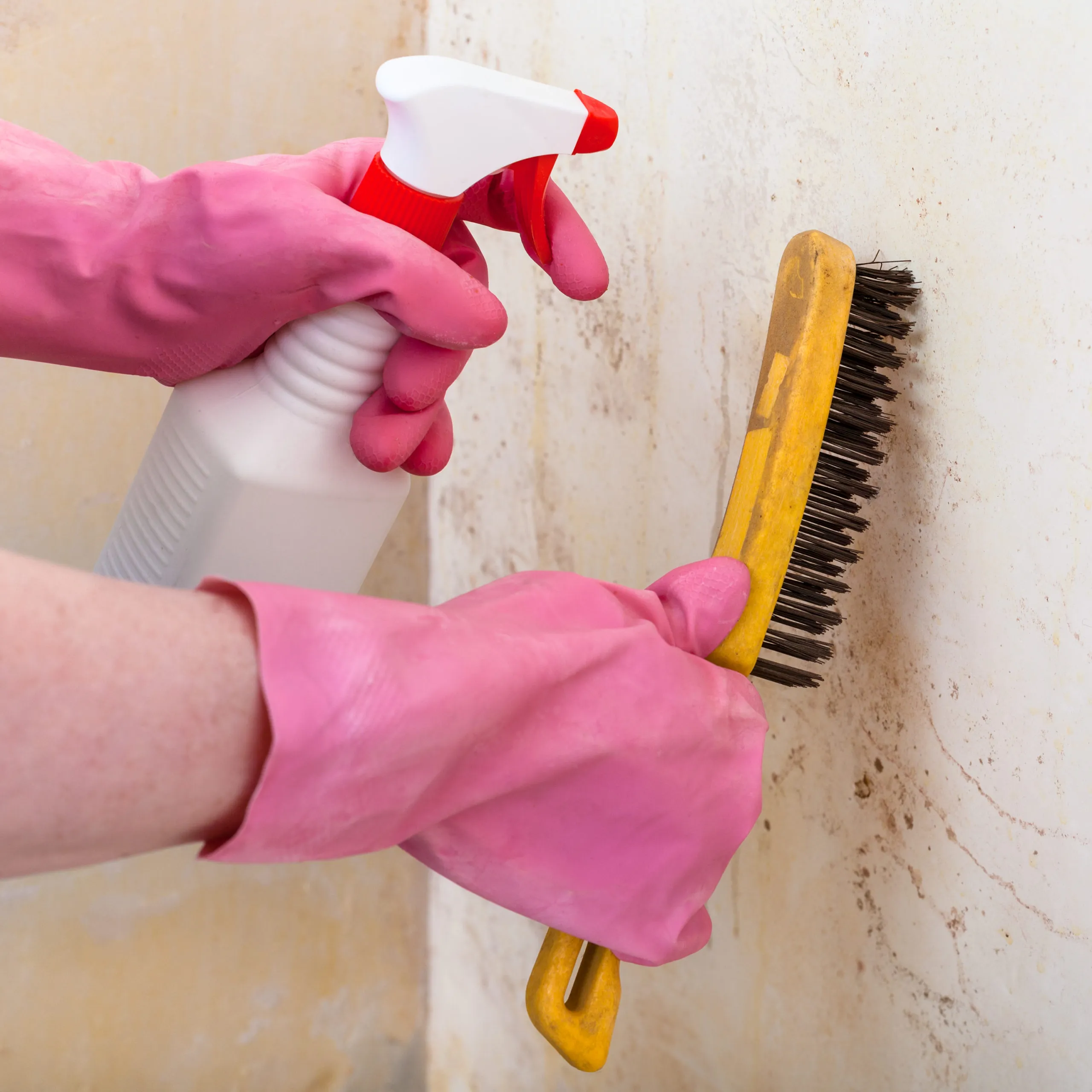
Attempting to remove mold yourself—especially areas larger than 10 square feet (approximately a 3x3 foot patch)—can make the problem significantly worse. Disturbing mold colonies releases millions of spores into the air, dramatically increasing airborne concentrations. Without proper containment, spores spread to previously unaffected areas of your home. Bleach and consumer mold products kill surface mold but don't address roots that penetrate porous materials. Improper removal without addressing the moisture source guarantees regrowth. And exposure during removal without proper PPE (N95+ respirator, goggles, gloves, protective suit) can cause acute health reactions.
The EPA recommends professional remediation for any mold area larger than 10 square feet, any mold in HVAC systems, any mold resulting from contaminated water (Category 2 or 3), and any situation where occupants have health concerns related to mold.
FAQ: Mold Health Risks
Q: Can mold cause cancer?
A: Some mold species produce mycotoxins (particularly aflatoxins from Aspergillus flavus) that are classified as carcinogenic by the WHO. However, the cancer risk from typical residential mold exposure is considered low compared to other health effects. The primary health concerns are respiratory illness, allergic disease, and immune system effects.
Q: How quickly can mold make you sick?
A: People with mold allergies or asthma can experience symptoms within hours of exposure. For others, symptoms typically develop over days to weeks of ongoing exposure as spore counts build up. Chronic health effects from toxigenic mold develop over months of sustained exposure.
Q: Can pets be affected by mold?
A: Yes. Dogs and cats are susceptible to mold-related respiratory problems, allergic reactions, and in severe cases, neurological symptoms. Pets that spend more time indoors and closer to the floor (where spore concentrations are often higher) may show symptoms before humans do.
Q: Does killing mold eliminate the health risk?
A: No. Dead mold spores and mycotoxins remain allergenic and toxic even after the colony is killed. Professional remediation physically removes mold and contaminated materials, then uses HEPA filtration to remove airborne spores. Simply spraying bleach or biocide leaves dead but still harmful material in place.
Q: Is a musty smell dangerous even if I can't see mold?
A: Yes. A musty odor indicates active mold growth, even if it's hidden behind walls, under flooring, or in HVAC ductwork. The smell comes from microbial volatile organic compounds (mVOCs) that are themselves irritants, and the invisible spores released by hidden colonies are being inhaled continuously.
Q: Should I get a mold test if no one in my family has symptoms?
A: If you see visible mold or smell musty odors, you already know you have a mold problem—testing isn't necessary before taking action. However, if you suspect hidden mold (unexplained musty smell, history of water damage, moisture problems), professional testing can confirm its presence and guide remediation.
Protect Your Family's Health
Mold is a serious health hazard that gets worse the longer it's ignored. Every day of exposure increases health risks for your family—especially children, elderly members, and anyone with respiratory conditions or compromised immunity.
Call Save The Day Restoration at (562) 246-9908 for professional mold inspection and IICRC-certified remediation throughout Los Angeles and Orange County. Our AMRT-certified technicians use containment barriers, HEPA filtration, and antimicrobial treatments to safely remove mold and restore healthy indoor air quality. We serve all of LA and Orange County, respond 24/7, and provide complete documentation for insurance claims. Licensed general contractor #1049188.
.png)

About Save The Day Restoration
Save The Day Restoration & Reconstruction is a locally owned disaster restoration company in Signal Hill, CA serving all of Los Angeles and Orange County. We handle water damage, fire damage, mold remediation, and licensed reconstruction. IICRC certified. Contractor #1049188. Call (562) 246-9908 anytime.

Keep reading
More expert guides from our restoration team

Damage needs immediate action
Call (562) 246-9908 for 24/7 emergency restoration. Licensed #1049188. Serving all of LA and Orange County.