
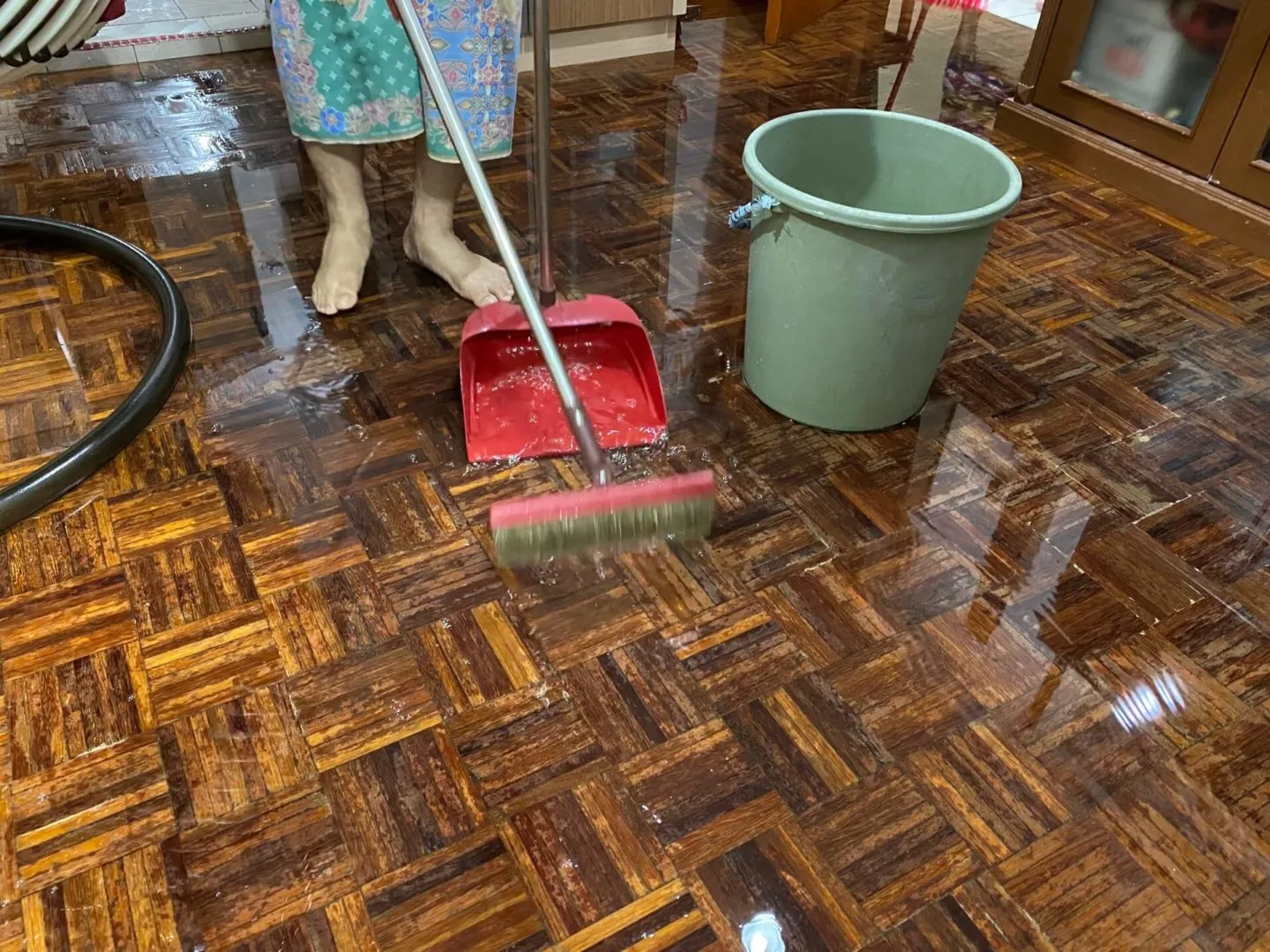
Quick Answer: Water damage and flood damage look identical inside your home, but they're covered by completely different insurance policies. Water damage (from internal sources like burst pipes, appliance failures, or rain entering through storm-damaged roofs) is covered by your standard homeowner's policy. Flood damage (from external rising water including rivers, storm surge, heavy rainfall runoff, and mudflow) is excluded from homeowner's policies and requires separate flood insurance through NFIP or a private insurer. Filing under the wrong policy delays your claim and can result in denial. The cause of the water—not the damage itself—determines which policy applies. Call Save The Day Restoration at (562) 246-9908 for water and flood damage restoration across LA and Orange County.
Why Does This Distinction Matter So Much?
The difference between water damage and flood damage is one of the most consequential distinctions in property insurance—and one of the least understood by homeowners. The physical damage to your home can be identical: saturated drywall, destroyed flooring, damaged belongings, and mold growth. But the insurance response is completely different depending on how the water entered your home.
Filing under the wrong policy wastes critical time. Discovering you don't have the right coverage after damage has occurred leaves you facing tens of thousands of dollars in uninsured restoration costs. At Save The Day Restoration, we help LA and Orange County homeowners correctly identify the water source, understand which insurance coverage applies, and navigate the claims process for both homeowner's and flood insurance policies.
What Qualifies as "Water Damage" Under Homeowner's Insurance?
Your standard homeowner's policy covers water damage from internal, sudden, and accidental sources. The water originates from within your home or enters through an opening created by a covered peril. Covered water damage sources include burst water supply pipes, water heater ruptures, washing machine or dishwasher overflow, toilet overflow from mechanical failure, ice maker supply line failure, accidental sprinkler discharge, rain entering through a hole in the roof created by wind or a falling tree (the wind or impact is the covered peril, and the rain is secondary), and water used to extinguish a fire.
The key characteristics of covered water damage are the source is internal or enters through a covered-peril-created opening, the event is sudden and accidental (not gradual), and you didn't cause or neglect the condition that led to the damage.
What Qualifies as "Flood Damage" Requiring Flood Insurance?
Flood damage is defined by FEMA as a general and temporary condition where normally dry land is partially or completely inundated by overflow of inland or tidal waters, unusual and rapid accumulation or runoff of surface waters, or mudflow. The water comes from outside your home and enters at ground level or below. Flood damage sources include river, stream, or channel overflow, storm surge and coastal flooding, heavy rainfall that accumulates as surface water and enters through doors, garage, or ground-level openings, mudflow (liquid mud flowing over normally dry surfaces), dam or levee failure, and snow melt flooding.
The key characteristic is that the water rises from the ground up—it originates externally and enters at or below ground level.
Where Is the Gray Area Between Water and Flood Damage?
What About Rain That Enters During a Storm?
This is the most common confusion point, and the answer depends on how the rain entered. Rain entering through a storm-damaged roof (wind tore off tiles, tree fell through the roof) is covered by homeowner's insurance. The covered peril is the wind or falling object; the rain is consequential damage from that covered event. Rain that accumulates on the ground and enters through doors, windows at ground level, or the foundation is flood damage—covered only by flood insurance. The same rainstorm can cause both types of damage simultaneously.
What About Storm Drain Backup?
When heavy rain overwhelms municipal storm drains, water can back up through the storm sewer system and enter your home through floor drains or sewer connections. This is typically classified as flood damage by most insurers because the water originates externally. However, some homeowner's policies cover sewer and drain backup if you have the optional endorsement ($40-$75/year)—and this endorsement may cover storm drain backup depending on your specific policy language. Review your policy or ask your agent.
What About Mudslides During Rain?
Standard homeowner's policies exclude earth movement, including mudslides. NFIP flood insurance covers "mudflow" (liquid mud flowing over normally dry surfaces) but not landslides or earth movement. The physical characteristics of the event determine which definition applies—and this is often disputed. This gray area is particularly relevant in LA and Orange County, where post-wildfire debris flows are common.
What Happens If You Have Both Types of Damage?
During major storms, many homes experience both water damage and flood damage simultaneously. For example, wind damages the roof (homeowner's policy) while surface water enters through the garage (flood policy). In these situations, you file two separate claims: one with your homeowner's insurer for the wind/rain damage through the roof, and one with your flood insurer for the rising water damage.
Adjusters from both companies will inspect the property and determine which damage falls under their respective policies. This process requires careful documentation showing which water entered from above (homeowner's claim) and which entered from below (flood claim). Your restoration company's documentation—including moisture mapping, water intrusion pathway analysis, and damage photography—is critical for supporting both claims.
How Does the Water Source Affect Restoration?
From a restoration standpoint, the source matters for more than just insurance. Flood water (external, rising water) is classified as Category 3—the most contaminated category—because it picks up sewage, chemicals, soil, and biological contaminants as it flows across the ground. All porous materials contacted by flood water must be removed, and remaining surfaces must be decontaminated. Clean water from a burst supply pipe (Category 1) may allow more materials to be saved through professional drying.
This means flood damage restoration typically costs more than comparable clean water damage because more materials must be removed and replaced, decontamination protocols are required, PPE requirements are more extensive, and disposal costs are higher for contaminated materials.
How Do You Protect Yourself With the Right Coverage?
Maintain your standard homeowner's policy with adequate coverage limits. Add flood insurance (NFIP or private) even if you're not in a FEMA high-risk zone. Add sewer and drain backup endorsement to your homeowner's policy. Review coverage annually—especially before rainy season and El Niño years. Understand your deductibles for each policy. Create a home inventory to support claims under either policy.
FAQ: Water Damage vs. Flood Damage
Q: If my sump pump fails during heavy rain and my basement floods, is that water damage or flood damage?
A: If the sump pump failure is mechanical (the pump broke), and the water entering was groundwater that the pump normally handles, it's typically classified as flood damage requiring flood insurance. However, the sump pump failure itself may be covered under a sewer/drain backup endorsement on your homeowner's policy. Policy language varies—review yours carefully.
Q: Does my homeowner's policy cover any flooding?
A: No. Standard homeowner's policies have a specific flood exclusion. No amount of water from external rising sources is covered without separate flood insurance. The only "water from outside" that's covered is rain entering through openings created by covered perils (wind damage, falling objects).
Q: Can I buy flood insurance after a storm is forecast?
A: NFIP policies have a 30-day waiting period. You cannot buy coverage after a storm is forecast and expect it to cover that storm's damage. Some private flood insurers offer shorter waiting periods (10-14 days), but none provide instant coverage. Buy flood insurance before you need it.
Q: What if I can't tell whether the water came from inside or outside?
A: Professional documentation is essential in ambiguous cases. A qualified restoration company can analyze water intrusion pathways, moisture patterns, contamination levels, and damage patterns to establish where water originated. This analysis supports your insurance claim and can be the difference between coverage and denial.
Q: Is rainwater that leaks through my roof "flood damage"?
A: No. Rain entering through the roof is covered by your homeowner's policy if the roof opening was caused by a covered peril (wind, hail, fallen tree). Only water that rises from the ground up qualifies as flood damage.
Q: How does Save The Day Restoration help with coverage determination?
A: We document the water source, intrusion pathway, and damage patterns for every project. This documentation establishes whether damage is covered under homeowner's or flood insurance (or both), supports your claim with objective technical evidence, and helps resolve disputes about coverage when the source is ambiguous. We work with both homeowner's and flood insurance carriers and handle direct billing for both.
Get Expert Claims Support
Understanding which insurance policy covers your water damage is the first step toward a successful restoration. Don't guess—get professional assessment that correctly identifies the water source and documents it for your insurer.
Call Save The Day Restoration at (562) 246-9908 for 24/7 emergency response and expert insurance documentation throughout Los Angeles and Orange County. We handle both homeowner's and flood insurance claims, provide detailed water source analysis, and manage direct billing with all major carriers. IICRC-certified technicians, licensed general contractor #1049188.
.png)

About Save The Day Restoration
Save The Day Restoration & Reconstruction is a locally owned disaster restoration company in Signal Hill, CA serving all of Los Angeles and Orange County. We handle water damage, fire damage, mold remediation, and licensed reconstruction. IICRC certified. Contractor #1049188. Call (562) 246-9908 anytime.

Keep reading
More expert guides from our restoration team

Damage needs immediate action
Call (562) 246-9908 for 24/7 emergency restoration. Licensed #1049188. Serving all of LA and Orange County.