
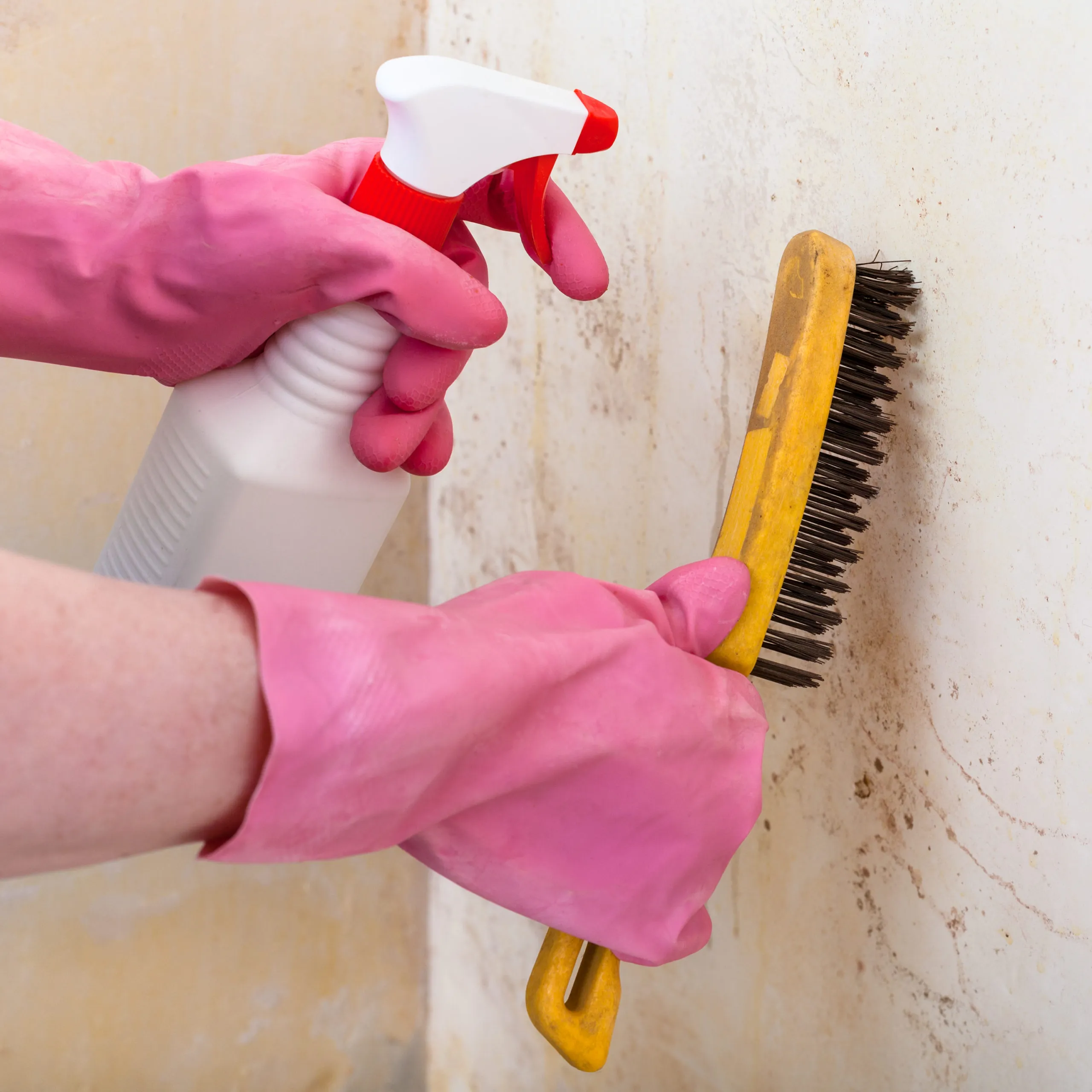
Quick Answer: The most common mold species in LA and Orange County homes are Aspergillus (white, green, or yellow powdery growth), Penicillium (blue-green fuzzy colonies), Cladosporium (olive-green to brown patches), Alternaria (dark green/brown velvety texture), and Stachybotrys chartarum or "black mold" (dark black, slimy when wet). You cannot reliably identify mold species by appearance alone—laboratory testing is required for definitive identification. All indoor mold growth indicates a moisture problem that needs professional resolution regardless of species. Call Save The Day Restoration at (562) 246-9908 for mold identification and remediation across LA and Orange County.
Why Does Mold Species Identification Matter?
Not all mold is equally dangerous, and different mold species require different remediation approaches. Some species produce potent mycotoxins that pose serious health risks, while others are primarily allergens. Some species indicate recent water damage, while others suggest chronic moisture problems. Understanding what type of mold is growing in your home helps determine the health risk to your family, the appropriate remediation protocol, the likely moisture source, and the urgency of the situation.
That said, the most important thing to understand is that all indoor mold growth above normal background levels indicates a moisture problem and a degraded indoor environment. Whether the mold in your bathroom is Aspergillus or Stachybotrys, it needs to be professionally addressed. Species identification is useful for risk assessment and remediation planning, but should never delay action.
What Are the Most Common Mold Species in Southern California Homes?
What Is Aspergillus and Where Does It Grow?
Appearance: Varies widely by species. Can appear white, yellow, green, brown, or black. Typically powdery or cottony texture. Forms circular colonies that grow outward from a central point.
Where it grows: Aspergillus is the most common indoor mold genus worldwide and thrives in Southern California's warm climate. Found on food (bread, fruit, grains), in HVAC systems and ductwork, on damp walls and ceilings, in insulation, on fabrics and carpet, in potting soil and houseplants, and in dust accumulation.
Health concerns: Aspergillus is the most medically significant mold genus. Over 180 species exist, and several produce dangerous mycotoxins. Aspergillus flavus produces aflatoxins (carcinogenic). Aspergillus fumigatus is the leading cause of invasive aspergillosis—a severe, potentially fatal fungal infection in immunocompromised individuals. Aspergillus niger (common black mold on food) causes ear and lung infections.
Risk level: Moderate to high. Low risk for healthy individuals, significant risk for immunocompromised people, people with lung disease, and those with Aspergillus allergy.
What Is Penicillium and Where Does It Grow?
Appearance: Blue-green to gray-green fuzzy colonies, often with a white border. Velvety or powdery texture. Distinct musty odor—Penicillium is often the source of the "old basement" smell.
Where it grows: Penicillium is an aggressive colonizer that spreads rapidly through water-damaged buildings. Found on water-damaged drywall and wallpaper, in carpet and padding after water exposure, on leather goods, fabrics, and paper products, inside HVAC ductwork (spreads spores throughout the house), under sinks and around plumbing leaks, and in refrigerators and food storage areas.
Health concerns: Strong allergen that triggers respiratory symptoms, sinus infections, and asthma in sensitive individuals. Some species produce mycotoxins. Penicillium is particularly problematic because of its rapid growth rate and aggressive spore production—it can contaminate an entire home through the HVAC system within weeks.
Risk level: Moderate. Primary risk is allergic response and respiratory irritation. The speed at which it spreads makes prompt action essential.
What Is Cladosporium and Where Does It Grow?
Appearance: Olive-green to brown or black. Suede-like or powdery texture. Forms colony patterns that can look like dark staining.
Where it grows: Cladosporium is one of the most common outdoor mold species in Southern California and frequently enters homes through open windows and HVAC intake. Found on fabrics, carpets, and upholstery, under sinks and in bathrooms, on painted surfaces and bare wood, inside HVAC systems, on window sills and frames (where condensation collects), and on outdoor surfaces that transfer indoors.
Health concerns: One of the most common mold allergens. Triggers hay fever symptoms (sneezing, runny nose, itchy eyes), sinus infections, and is a potent asthma trigger. Rarely produces mycotoxins but its extremely high spore production makes it a significant allergen.
Risk level: Low to moderate. Primary risk is allergic response. Rarely causes serious illness in healthy individuals but significantly impacts quality of life for allergy and asthma sufferers.
What Is Alternaria and Where Does It Grow?
Appearance: Dark green, brown, or gray-black. Velvety texture with a wooly or feathery appearance. Colony shape often irregular with dark coloring.
Where it grows: Alternaria is one of the most prevalent outdoor molds in Southern California—airborne spore counts peak during warm, dry Santa Ana wind conditions. Enters homes through windows, doors, and HVAC intake. Found in showers and bathtubs, under sinks with slow leaks, around windows with condensation, in laundry rooms, and on damp surfaces near HVAC units.
Health concerns: One of the most common causes of mold allergy worldwide. A significant asthma trigger—research links Alternaria sensitization to severe, persistent asthma. Can cause upper respiratory infections and is increasingly recognized as a cause of chronic rhinosinusitis.
Risk level: Moderate. A significant allergen and asthma trigger. Particularly concerning for children, as early Alternaria sensitization is strongly associated with asthma development.
What Is Stachybotrys (Black Mold) and Where Does It Grow?
Appearance: Dark black or dark greenish-black. Slimy or wet texture when actively growing (becomes dry and powdery when dormant). Often described as having a wet, sooty appearance.
Where it grows: Stachybotrys requires consistently high moisture levels to grow—it cannot colonize materials that are merely damp. Found on chronically wet drywall and ceiling tiles, in areas with persistent water leaks, in homes with flooding that wasn't properly remediated, behind walls with ongoing plumbing leaks, on water-damaged cellulose materials (paper, cardboard, wood), and in buildings with chronic roof leaks.
Health concerns: Stachybotrys produces potent mycotoxins (satratoxins, roridins, verrucarins) that can cause severe respiratory symptoms, hemorrhagic pneumonia in infants (rare but serious), neurological effects (headaches, memory problems, confusion), immune suppression, chronic inflammatory response syndrome (CIRS), and skin irritation and rashes.
Risk level: High. Stachybotrys is the most toxigenic mold commonly found in residential buildings. Professional remediation with full containment is essential. Occupants—especially children, elderly, and immunocompromised—should relocate during remediation.
What Is Chaetomium and Where Does It Grow?
Appearance: Initially white, changing to olive, gray, or brown as it matures. Cottony texture. Has a distinctive strong musty odor that's often the first indicator of its presence.
Where it grows: Chaetomium is a reliable indicator of significant, prolonged water damage. Found on severely water-damaged drywall, in homes with chronic roof or plumbing leaks, on wet cardboard and paper products, in buildings with flooding history, and on wooden window frames with persistent condensation.
Health concerns: Produces mycotoxins (chaetoglobosins) that can cause neurological symptoms and immune system effects. Associated with skin and nail infections in immunocompromised individuals. Often found alongside Stachybotrys in severely water-damaged buildings, indicating advanced deterioration.
Risk level: Moderate to high. The presence of Chaetomium almost always indicates severe and prolonged water damage requiring comprehensive remediation.
Why Can't You Identify Mold by Color Alone?
Mold color is an unreliable identifier because many different species appear the same color. Black-colored mold could be Stachybotrys (highly toxigenic), Aspergillus niger (moderately concerning), Cladosporium (primarily allergenic), or dozens of other species with very different risk profiles.
Similarly, a single species can appear in different colors depending on the surface it's growing on, the nutrients available, its age and growth stage, humidity levels, and lighting conditions.
The only reliable way to identify mold species is laboratory analysis. This involves either air sampling (capturing airborne spores for laboratory identification and counting) or surface sampling (tape lift, swab, or bulk sample of visible growth sent to a certified mycological laboratory).
FAQ: Types of Mold
Q: Is all black mold toxic?
A: No. "Black mold" is a colloquial term often applied to Stachybotrys chartarum, but many non-toxic mold species are also black. Cladosporium, Aspergillus niger, and Ulocladium all appear black and have lower toxicity. Color alone cannot determine whether mold is toxic—laboratory testing is required.
Q: What does mold smell like?
A: Most active mold growth produces a musty, earthy odor caused by microbial volatile organic compounds (mVOCs). Different species have slightly different odors: Penicillium produces a classic "musty basement" smell, Chaetomium has a particularly strong and distinctive musty odor, and Stachybotrys is sometimes described as smelling like rotting leaves or damp earth. Any persistent musty odor warrants investigation.
Q: Can I have more than one type of mold growing in my home?
A: Yes—this is actually very common. Most water-damaged buildings harbor multiple mold species growing simultaneously, often in the same area. Different species colonize different materials and thrive at different moisture levels, so a single water damage event can produce a complex mold ecosystem.
Q: Which type of mold is most common in Southern California?
A: Aspergillus is the most common indoor mold genus in LA and Orange County homes. Cladosporium and Alternaria are the most common outdoor species and frequently enter homes. Penicillium is the most common genus in water-damaged buildings. The warm, moderate Southern California climate supports active mold growth year-round.
Q: Does mold type affect remediation cost?
A: Yes. The presence of toxigenic species like Stachybotrys or Chaetomium typically requires more aggressive containment, PPE, and disposal protocols, which increases cost. The scope of contamination and moisture source are also significant cost factors regardless of species.
Q: Should I buy a home mold testing kit?
A: Consumer mold testing kits are generally unreliable. They often produce false positives (detecting normal outdoor mold spores), don't quantify spore concentrations, and cannot distinguish between normal and elevated levels. Professional testing by a certified industrial hygienist or mold inspector provides accurate, actionable results.
Get Professional Mold Identification
Don't guess what's growing in your home—get professional identification and remediation. Save The Day Restoration provides comprehensive mold assessment, species identification through certified laboratory analysis, and IICRC-certified remediation for all mold types found in Southern California homes.
Call (562) 246-9908 for professional mold inspection and remediation throughout Los Angeles and Orange County. Our AMRT-certified technicians use thermal imaging, moisture mapping, and laboratory analysis to identify exactly what you're dealing with and develop the most effective remediation plan. Licensed general contractor #1049188. Direct insurance billing available.
.png)

About Save The Day Restoration
Save The Day Restoration & Reconstruction is a locally owned disaster restoration company in Signal Hill, CA serving all of Los Angeles and Orange County. We handle water damage, fire damage, mold remediation, and licensed reconstruction. IICRC certified. Contractor #1049188. Call (562) 246-9908 anytime.

Keep reading
More expert guides from our restoration team



Damage needs immediate action
Call (562) 246-9908 for 24/7 emergency restoration. Licensed #1049188. Serving all of LA and Orange County.