
Water Damage Restoration
Water damage restoration is a professional emergency service that extracts standing water, removes damaged materials, dries structural components using commercial dehumidifiers and air movers, prevents mold growth, and rebuilds affected areas to restore residential and commercial properties to pre-loss condition after burst pipes, appliance failures, roof leaks, sewage backups, or flooding events.
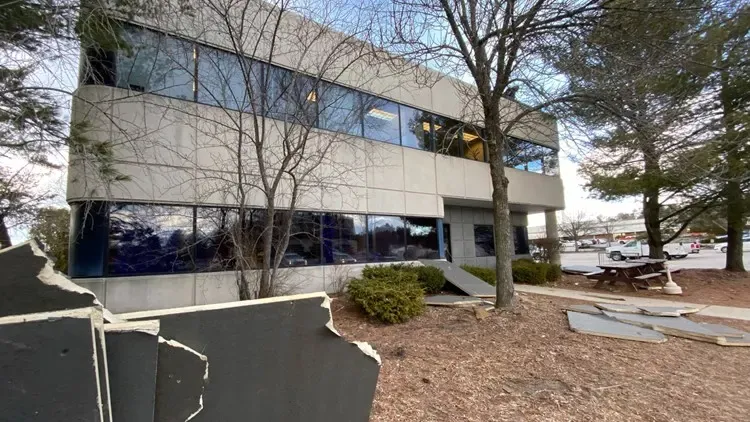
Professional Water Damage Restoration Services in Southern California
Quick Answer: Water damage restoration removes standing water, dries structural materials, prevents mold growth, and rebuilds damaged areas to restore your home to pre-loss condition. Professional restoration should begin within 24 hours of water intrusion—mold can develop within 48 hours in Southern California's warm climate. Save The Day Restoration provides 24/7 emergency water damage restoration with 2-4 hour response time throughout Los Angeles and Orange County. IICRC-certified technicians, licensed general contractor #1049188, direct insurance billing. Call (562) 246-9908.
Why Is Professional Water Damage Restoration Critical?
Water damage is deceptive. What appears as a wet carpet or damp ceiling often conceals extensive damage inside wall cavities, beneath flooring, and within structural framing. Water follows gravity and the path of least resistance—traveling along pipes, through electrical penetrations, down wall cavities, and pooling in areas far from the original source. A burst pipe on the second floor can saturate walls, ceilings, and flooring across multiple rooms and levels before any visible signs appear.
Without professional extraction and drying, water-saturated building materials create ideal conditions for mold growth within 24-48 hours. Southern California's warm temperatures accelerate this timeline. Structural wood framing begins deteriorating, drywall loses integrity, insulation compresses and loses R-value, and subfloor materials delaminate. What starts as a manageable $3,000-$5,000 restoration project becomes a $15,000-$50,000+ reconstruction if left untreated for even 48-72 hours.
Professional water damage restoration uses commercial-grade equipment—truck-mounted extractors, LGR dehumidifiers, high-velocity air movers, and thermal imaging cameras—that consumer equipment simply cannot match. A household dehumidifier removes 2-4 gallons per day. A commercial LGR dehumidifier removes 15-22 gallons. The difference between these capabilities is the difference between saving your home's structural materials and replacing them entirely.
What Causes Water Damage in LA & Orange County Homes?
What Are the Most Common Internal Water Damage Sources?
Plumbing failures are the leading cause of residential water damage in Southern California. Burst water supply lines (especially aging copper and galvanized pipes common in homes built before 1990), failed washing machine hoses, water heater ruptures, dishwasher supply line failures, toilet supply line breaks, and refrigerator ice maker line leaks account for the majority of our emergency calls. These events are classified as Category 1 (clean water) initially but escalate to Category 2 or 3 if not addressed within 24-48 hours as bacteria colonize standing water.
Appliance failures including washing machines, dishwashers, water heaters, and refrigerators cause sudden, high-volume water release. A burst washing machine hose can release 500+ gallons per hour. Water heater failures (40-80 gallon tanks) release their entire volume at once, often through the garage or utility area and into adjacent living spaces.
Slab leaks are particularly common in Southern California homes built on concrete slab foundations. Copper supply lines running beneath or within the slab corrode over time due to soil chemistry, water chemistry, and electrolysis. Slab leaks can run undetected for weeks, saturating the slab, flooring, and lower wall sections before visible signs appear—elevated water bills, warm spots on floors, or the sound of running water when no fixtures are on.
What External Sources Cause Water Damage?
Roof leaks during Southern California's rainy season (October through April) enter through failed flashing, cracked tiles, degraded underlayment, and wind-damaged roofing materials. Water enters the attic, saturates insulation, and flows into wall cavities and ceiling spaces—often appearing in rooms far from the original roof penetration point.
Storm damage from atmospheric river events, which can deliver 3-8+ inches of rainfall in 24 hours, overwhelms drainage systems and creates water intrusion through windows, doors, and foundation-level openings. Wind-driven rain penetrates gaps that normal rainfall doesn't reach.
Sewage backups occur when municipal sewer systems are overwhelmed during heavy rain or when private sewer laterals are blocked by tree root intrusion, grease buildup, or pipe deterioration. Sewage backups are classified as Category 3 (black water)—the most hazardous classification requiring specialized biohazard protocols.
What Does the Water Damage Restoration Process Include?
How Is Water Damage Assessed?
Professional assessment begins with identifying the water source, classifying the water category (Category 1 clean, Category 2 gray, Category 3 black), and mapping the full extent of moisture intrusion using calibrated moisture meters and thermal imaging cameras. Thermal imaging reveals moisture hidden behind walls, above ceilings, and beneath flooring that visual inspection cannot detect. This assessment determines the scope of extraction, demolition, and drying required and forms the basis of your insurance claim documentation.
How Is Standing Water Removed?
Water extraction is the most time-sensitive phase of restoration. Truck-mounted extraction systems remove hundreds of gallons per hour from flooded areas. Portable extractors address water in carpets, hard surfaces, and confined spaces. Submersible pumps handle deep standing water in basements and crawl spaces. Every hour water remains in contact with building materials increases the scope of damage and restoration cost. Extraction typically takes 2-6 hours depending on the volume and affected area.
What Materials Need to Be Removed?
Material removal depends on water category and saturation duration. Category 1 water (clean source, addressed within 24-48 hours) may allow drying of many materials in place. Category 2 and 3 water require removal of all porous materials contacted: carpet and padding, drywall (typically cut 12-24 inches above the visible water line depending on category), insulation, baseboards, and any particleboard or MDF materials. Removal creates open wall cavities and exposed framing that can be dried effectively and inspected for hidden damage.
How Does Professional Structural Drying Work?
Structural drying is the technical core of water damage restoration. Commercial LGR (Low Grain Refrigerant) dehumidifiers reduce ambient humidity, pulling moisture from saturated wood framing, concrete, and remaining building materials. High-velocity air movers create airflow patterns that accelerate evaporation from wet surfaces. HEPA air scrubbers filter airborne contaminants and mold spores throughout the drying process.
Technicians monitor drying progress daily using calibrated moisture meters, thermo-hygrometers, and thermal imaging. Each material type has specific target moisture levels: wood framing below 15%, drywall equivalent below 1%, concrete below acceptable equilibrium moisture content. Drying is complete only when all materials reach target levels—not when surfaces feel dry to the touch. Professional drying typically takes 3-5 days for Category 1 water and 5-10 days for Category 2/3 or extensive damage.
How Is Mold Prevented During Restoration?
Mold prevention is integrated into every phase of water damage restoration. Rapid extraction limits moisture exposure time. Antimicrobial treatments are applied to all affected structural surfaces during and after demolition. HEPA air scrubbers run continuously to capture airborne mold spores. Humidity is maintained below 50% throughout drying. Daily moisture monitoring confirms materials are drying on schedule. If mold is discovered during restoration (common when water damage was present for more than 48 hours before professional intervention), full mold remediation is performed before reconstruction begins.
What Reconstruction Follows Water Damage?
Once all materials reach target moisture levels and any mold remediation is complete, reconstruction rebuilds everything that was removed: drywall installation with taping, mudding, and texture matching; painting; flooring installation; baseboard and trim; cabinetry if removed; insulation meeting current Title 24 requirements; and any electrical or plumbing repairs. Insurance covers reconstruction to pre-loss condition with code-required upgrades.
How Much Does Water Damage Restoration Cost?
Water damage restoration costs vary significantly based on water category, affected area, duration of exposure, and materials involved. Minor water damage (one room, Category 1, caught quickly) typically costs $2,500-$5,000. Moderate damage (multiple rooms, Category 1-2) ranges from $5,000-$15,000. Major damage (extensive area, Category 2-3, structural involvement) costs $15,000-$50,000+. Complete restoration including reconstruction for severe damage can exceed $50,000-$100,000.
The single biggest factor in cost is response time. Water damage addressed within hours costs a fraction of damage left for days. Every 24-hour delay significantly increases the scope of required demolition, the likelihood of mold development, and the extent of reconstruction needed.
Does Insurance Cover Water Damage Restoration?
Most homeowner's insurance policies cover water damage from sudden, accidental internal sources: burst pipes, appliance failures, water heater ruptures, and accidental overflow. Coverage typically includes emergency mitigation, material removal, structural drying, mold prevention, and reconstruction to pre-loss condition.
Standard policies generally do NOT cover: gradual leaks or seepage that developed over time, maintenance failures (deteriorating supply lines you knew about), flood damage from rising external water (requires separate flood insurance), sewer backup (requires separate endorsement, typically $40-$75/year), and damage from ongoing neglect.
California law requires insurers to acknowledge claims within 15 days, make coverage decisions within 40 days, and issue payment within 30 days of settlement. You have the right to choose your own restoration contractor regardless of insurer preferences. Save The Day Restoration handles direct insurance billing and provides comprehensive documentation supporting your claim.
Why Does Response Time Matter So Much?
Water damage is progressive—it gets worse every hour. Within the first hour, water spreads to adjacent materials and rooms. Within 24 hours, drywall begins to swell and delaminate, metal surfaces begin to tarnish, and furniture stains flooring. Within 48 hours, mold begins growing on organic surfaces in Southern California's warm climate. Within 72 hours, drywall begins to disintegrate, wood framing begins warping and swelling, and mold colonizes wall cavities. After one week, structural materials begin deteriorating, mold contamination becomes extensive, and restoration costs can increase 3-5x compared to immediate response.
This is why Save The Day Restoration maintains 24/7 emergency response with 2-4 hour arrival time throughout Los Angeles and Orange County. The difference between a 2-hour response and a 48-hour response is often the difference between a $5,000 restoration and a $25,000+ reconstruction.
FAQ: Water Damage Restoration
Q: What is water damage restoration?
A: Water damage restoration is a professional service that extracts standing water, removes damaged materials, dries structural components using commercial equipment, prevents mold growth, and reconstructs affected areas to return your home to pre-loss condition. The process requires IICRC-certified technicians, commercial-grade equipment, and daily moisture monitoring to ensure complete and safe restoration.
Q: Does homeowner's insurance cover water damage restoration?
A: Most policies cover water damage from sudden, accidental sources like burst pipes, appliance failures, and water heater ruptures. Coverage typically includes emergency mitigation, drying, and reconstruction. Policies generally exclude gradual leaks, flood damage (requires separate flood insurance), and sewer backup (requires optional endorsement). File your claim within 24 hours and document all damage before cleanup begins.
Q: How much does water damage restoration cost?
A: Minor damage (one room, clean water, fast response): $2,500-$5,000. Moderate damage (multiple rooms): $5,000-$15,000. Major damage (extensive area, contaminated water, structural involvement): $15,000-$50,000+. The single biggest cost factor is response time—immediate professional response dramatically reduces total restoration costs by limiting damage spread and preventing mold.
Q: Can water damage cause mold in my home?
A: Yes. Mold can begin growing on wet building materials within 24-48 hours in Southern California's warm climate. Professional water damage restoration prevents mold through rapid extraction, antimicrobial treatment, commercial drying equipment, and daily moisture monitoring. If water damage goes untreated for more than 48 hours, mold remediation is often required in addition to water damage restoration, adding $5,000-$15,000+ to total project costs.
Q: How long does water damage restoration take?
A: Emergency extraction takes 2-6 hours. Structural drying takes 3-5 days for clean water damage and 5-10 days for contaminated or extensive damage. Reconstruction takes 1-6 weeks depending on scope. Total timeline from emergency call to move-in ranges from 1-2 weeks for minor damage to 2-3 months for severe damage requiring extensive reconstruction.
Save The Day Restoration provides water damage restoration across all of Los Angeles and Orange County, with especially high response volume in Long Beach, Huntington Beach, Costa Mesa, and Seal Beach, where coastal flooding, salt air pipe corrosion, and high water tables create constant water damage risk. We respond to frequent calls from Santa Monica and Redondo Beach beachfront properties affected by storm surge and drainage failures. Inland, our crews serve Pasadena and Glendale homeowners dealing with hillside runoff and aging infrastructure, along with Downey and Fullerton properties where mid-century plumbing systems are reaching end of life.
24/7 Emergency Response
Water damage gets worse every minute. Don't wait—call now for immediate emergency response throughout Los Angeles and Orange County.
Call Save The Day Restoration at (562) 246-9908 for 24/7 emergency water damage restoration. IICRC-certified technicians, licensed general contractor #1049188, direct insurance billing with all major carriers. 2-4 hour response time guaranteed.
Our Water Damage Restoration Process Includes:
01
24/7 Emergency Response & Water Source Identification
Our crew arrives within hours of your call. We locate the water source, stop it, and begin assessment immediately to prevent further damage to your property.
02
Damage Assessment with Thermal Imaging & Moisture Mapping
Thermal imaging cameras and moisture meters map the full extent of water intrusion. This technology reveals hidden moisture in walls, ceilings, and under flooring that visual inspection misses.
03
Rapid Water Extraction with Truck-Mounted Equipment
Truck-mounted extraction equipment removes hundreds of gallons per minute. Commercial-grade suction eliminates standing water from every affected area of your property.
04
Contaminated Material Removal & Antimicrobial Treatment
Water-damaged drywall, insulation, and flooring are removed. Antimicrobial treatments are applied to exposed framing and subfloor to prevent bacterial growth and contamination.
05
Commercial Structural Drying & Dehumidification
Industrial air movers and commercial dehumidifiers create optimal drying conditions. Equipment is calibrated to your property's size, materials, and moisture levels for maximum efficiency.
06
Daily Moisture Monitoring & Progress Documentation
Moisture readings are recorded daily at every checkpoint. Detailed documentation tracks drying progress and provides the evidence your insurance company needs for claim approval.
07
Mold Prevention & Air Quality Management
Antimicrobial treatments and controlled humidity prevent mold colonization during the drying process. Air scrubbers maintain indoor air quality throughout the restoration.
08
Complete Reconstruction to Pre-Loss Condition
Once dry and cleared, we handle full reconstruction including drywall, flooring, paint, and trim. Your property is restored to its pre-loss condition or better.
What we handle
Specialized services for your specific damage

Flood Damage Restoration
Professional flood damage cleanup and restoration for homes and businesses after natural flooding events in Southern California

Crawl Space Water Damage
Professional crawl space water removal, drying, mold prevention, and encapsulation for homes across LA & Orange County

Burst Pipe Restoration
Emergency burst pipe water damage restoration with rapid extraction, structural drying, and full repair across LA & Orange County

Appliance Leak Water Damage
Water damage restoration from washing machine, dishwasher, water heater, and refrigerator leaks and failures
We work with all major insurance carriers






CITIES WHERE THIS SERVICE IS AVAILABLE
Same certified technicians, same fast response — wherever you are in LA or Orange County. Select your city to see local details and schedule service.


WHERE WE OFFER THIS SERVICE
24/7 emergency response across Los Angeles and Orange County. Click your city for local service details and response times.

Common Questions
Common questions about this service
Water damage restoration is a professional service that extracts standing water, removes damaged materials, dries structural components using commercial equipment, prevents mold growth, and reconstructs affected areas to return your home to pre-loss condition. The process requires IICRC-certified technicians, commercial-grade equipment, and daily moisture monitoring to ensure complete and safe restoration.
Most policies cover water damage from sudden, accidental sources like burst pipes, appliance failures, and water heater ruptures. Coverage typically includes emergency mitigation, drying, and reconstruction. Policies generally exclude gradual leaks, flood damage (requires separate flood insurance), and sewer backup (requires optional endorsement). File your claim within 24 hours and document all damage before cleanup begins.
Minor damage (one room, clean water, fast response): $2,500-$5,000. Moderate damage (multiple rooms): $5,000-$15,000. Major damage (extensive area, contaminated water, structural involvement): $15,000-$50,000+. The single biggest cost factor is response time—immediate professional response dramatically reduces total restoration costs by limiting damage spread and preventing mold.
Yes. Mold can begin growing on wet building materials within 24-48 hours in Southern California's warm climate. Professional water damage restoration prevents mold through rapid extraction, antimicrobial treatment, commercial drying equipment, and daily moisture monitoring. If water damage goes untreated for more than 48 hours, mold remediation is often required in addition to water damage restoration, adding $5,000-$15,000+ to total project costs.
Emergency extraction takes 2-6 hours. Structural drying takes 3-5 days for clean water damage and 5-10 days for contaminated or extensive damage. Reconstruction takes 1-6 weeks depending on scope. Total timeline from emergency call to move-in ranges from 1-2 weeks for minor damage to 2-3 months for severe damage requiring extensive reconstruction.
Need more answers?
Reach out anytime
Damage is happening right now
Call (562) 246-9908 now. Licensed #1049188. IICRC certified. We're dispatching immediately.
