Fire Damage Board-Up Services
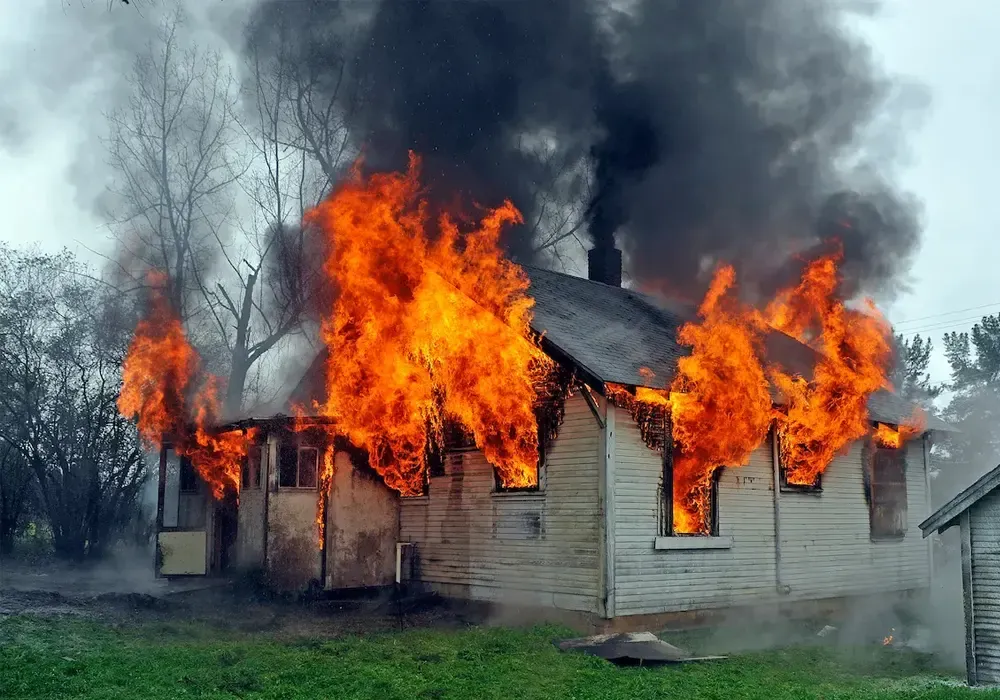
Fire damage board-up services secure fire-damaged properties immediately after fire department clearance by boarding windows, doors, and structural openings and installing roof tarps to prevent weather damage, theft, vandalism, and animal intrusion.
Fire Damage Board-Up Services in Los Angeles & Orange County
Quick Answer: Fire damage board-up is the critical first step after the fire department leaves your property. Board-up services secure broken windows, damaged doors, structural openings, and compromised roofing with plywood, tarps, and temporary barriers to prevent further damage from weather, theft, vandalism, and animal intrusion. Your insurance policy requires immediate property securing as part of your duty to mitigate further loss—and board-up costs are covered as emergency mitigation. Save The Day Restoration provides 24/7 emergency fire damage board-up throughout LA and Orange County with 2-4 hour response. Call (562) 246-9908.
Why Is Immediate Board-Up Essential After a Fire?
When the fire department finishes suppression and leaves your property, the structure is in its most vulnerable state. Windows are shattered from heat and firefighting access. Doors may be forced open or destroyed. The roof may have burn-through holes or ventilation cuts made by firefighters. Walls may have structural breaches. The interior is exposed to whatever weather comes next.
Without immediate board-up, the damage compounds rapidly. Rain entering through fire-damaged openings saturates already weakened structural materials, promoting mold growth on smoke-damaged surfaces and creating water damage in areas the fire never reached. Wind drives debris and contaminants into the structure. Unsecured properties attract theft—copper pipe, appliances, and salvageable materials are common targets in fire-damaged homes. Vandalism adds destruction to an already damaged structure. Animals—raccoons, rats, feral cats, birds—enter through openings and create additional contamination and damage.
Your insurance policy contains a duty-to-mitigate clause requiring you to take reasonable steps to prevent further damage after a covered loss. Failure to board up promptly can result in denied claims for additional damage that board-up would have prevented. Board-up costs themselves are covered as emergency mitigation—typically paid before your deductible applies.
What Does Fire Damage Board-Up Include?
Window Board-Up
Fire-damaged homes commonly have multiple broken or heat-damaged windows. Firefighters may break windows for ventilation during suppression. Radiant heat cracks or shatters glass. Structural shifting from fire damage can pop windows from frames. Each window opening is measured and covered with appropriately sized plywood—typically 3/4-inch CDX (exposure-rated) plywood—attached with screws (not nails) into the window frame or surrounding wall structure. Screws provide stronger attachment and are more resistant to forced removal than nails. Window board-up prevents weather intrusion, secures against unauthorized entry, and protects the interior from additional debris and contamination.
Door Securing
Entry doors, sliding glass doors, and garage doors damaged by fire, heat, or forced entry by firefighters require securing. Plywood panels cover damaged doorways with framing that provides structural integrity. Where possible, one functional entry point is maintained with a temporary lockable door system for authorized access. Garage door openings—large and particularly vulnerable to weather and unauthorized entry—receive full plywood coverage secured to the surrounding structure.
Roof Tarping
Roof damage from fire is among the most urgent board-up needs because even light rain can cause catastrophic secondary water damage to the smoke-damaged interior. Fire can burn through roofing materials and decking. Firefighters may cut ventilation holes in the roof during suppression. Heat can warp and displace roofing materials without visible burn-through. Heavy-duty tarps (minimum 6-mil polyethylene, reinforced where possible) are secured over all damaged roof areas, extending well beyond the visible damage to ensure water runoff is directed away from compromised sections. Tarps are attached with 2x4 anchor boards screwed through the tarp into roof framing, with additional weighting and securing against wind. In Southern California, UV degradation limits tarp life to approximately 90 days, after which replacement may be needed if permanent roof repair hasn't begun.
Structural Opening Coverage
Fire can create openings in walls through direct burn-through, structural collapse, or demolition during firefighting. These larger openings require custom framing and plywood coverage that provides both weather protection and structural stability. Load-bearing wall damage may require temporary shoring before board-up can be safely completed. A structural assessment may be needed for severe damage before board-up crews can safely work in affected areas.
Perimeter Securing
Fire-damaged properties with compromised fencing, gates, or yard access require perimeter securing. Temporary fencing prevents unauthorized access to the property and reduces liability risk. Warning signs are posted advising against entry. Access points are secured with padlocks or temporary locking mechanisms that allow authorized entry for restoration teams, insurance adjusters, and property owners.
What Makes Fire Board-Up Different from Other Emergency Board-Up?
Fire damage board-up involves specific challenges not present in storm or vandalism board-up.
Structural integrity is compromised. Fire weakens structural members—load-bearing walls, floor systems, roof trusses—that may not visibly show damage. Board-up crews must assess structural stability before applying loads (climbing ladders against walls, walking on roofs, attaching plywood to structures). Areas where structural integrity is uncertain require engineering assessment before board-up proceeds.
Firefighting water creates concurrent hazards. Floors saturated with firefighting water may be structurally compromised. Standing water creates slip hazards and electrical risks. Water pooled on upper floors may have weakened ceiling drywall below—creating collapse risk when walked above. Board-up teams must navigate these water hazards while securing the structure.
Toxic atmosphere requires protection. Fire-damaged structures contain toxic combustion byproducts in the air—particulates from burned synthetics, carbon monoxide residues, asbestos fibers released from older building materials exposed by fire damage, and chemical residues. Board-up crews wear appropriate respiratory protection (N95 minimum, P100 or supplied air for severe conditions) and protective clothing.
Scope is typically larger. Fire damage usually involves more openings and compromised areas than storm damage or break-ins. A fire may require boarding 8-15 windows, multiple doors, roof areas, and wall breaches in a single response. Board-up crews arrive with materials sufficient for large-scope work and the equipment to fabricate custom closures on-site.
How Long Should Board-Up Remain in Place?
Board-up is a temporary measure—not a permanent solution. It protects the property during the period between the fire and the beginning of permanent restoration. For insured properties, this period typically includes the insurance inspection and claims process (1-2 weeks), scope development and contractor selection (1-3 weeks), and permitting for reconstruction (2-6 weeks depending on jurisdiction and scope). Board-up may need to remain in place for 1-3 months before reconstruction begins removing it section by section. Professional plywood installation lasts 3-6 months. Roof tarps should be inspected monthly and replaced at 90 days or after significant weather events.
What Happens After Board-Up?
Board-up is the first step in a comprehensive fire restoration process. After the property is secured, the remaining restoration sequence includes water extraction from firefighting suppression, smoke and soot cleanup, content pack-out and cleaning, smoke odor elimination, demolition of fire-damaged materials, and reconstruction. When a single company handles both board-up and the complete restoration, the transition is seamless—there's no gap between emergency securing and the beginning of restoration work.
Save The Day Restoration provides both emergency board-up and complete fire damage restoration and reconstruction. The board-up crew that secures your property on day one works for the same company that will restore it to pre-loss condition—ensuring continuity, consistent documentation, and a single point of contact throughout the entire process.
How Much Do Fire Damage Board-Up Services Cost?
Standard window board-up: $75-$200 per opening depending on size and accessibility. Door securing: $100-$300 per opening. Garage door board-up: $200-$500. Roof tarping (small area): $300-$700. Roof tarping (large area or multiple sections): $700-$2,500. Structural wall coverage: $200-$500 per opening. Emergency dispatch fee: $150-$300. After-hours premium: 25-50% above standard rates.
Total fire board-up for a typical residential fire: $1,500-$5,000 depending on the number of openings, roof damage extent, and property size. Commercial properties with larger openings and more extensive damage may range from $3,000-$15,000+.
All fire board-up costs are covered by your insurance policy as emergency mitigation. Save The Day Restoration bills insurance directly and provides complete documentation including photographs, scope of work, and material specifications.
24/7 Emergency Fire Board-Up Response
Fire damage board-up cannot wait for business hours. Weather doesn't wait. Opportunistic theft doesn't wait. Every hour your fire-damaged property sits unsecured increases additional damage and loss.
Emergency board-up is often the first call after fire in wildfire-prone areas like Santa Clarita and Pasadena, where Santa Ana wind-driven fires can leave dozens of properties simultaneously exposed to the elements and security risks. Coastal properties in Laguna Beach face the additional urgency of salt air corrosion on fire-weakened structural elements if not secured quickly. Our board-up crews respond around the clock across Anaheim, Compton, Long Beach, and Los Angeles, where the gap between fire department departure and property securing is when the most preventable secondary damage occurs.
Call Save The Day Restoration at (562) 246-9908 for 24/7 emergency fire damage board-up throughout LA and Orange County. 2-4 hour response, professional materials and installation, complete insurance documentation, and seamless transition to full fire restoration and reconstruction. Licensed contractor #1049188.
Our Fire Damage Board-Up Process Includes:
01
24/7 Emergency Dispatch & Rapid Arrival
Our board-up crews are dispatched immediately, 24 hours a day. We understand that every hour a fire-damaged property sits unsecured increases the risk of additional loss.
02
Structural Safety Assessment Before Entry
Before entering any fire-damaged structure, our team evaluates structural stability, floor integrity, and overhead hazards. Safety assessment protects our crew and your property.
03
Window & Door Board-Up with Plywood
Every window and door opening is secured with cut-to-fit plywood and heavy-duty fasteners. We seal openings completely to prevent weather intrusion and unauthorized access.
04
Emergency Roof Tarping Over Fire Damage
Professional-grade tarps are secured over fire-damaged roof sections using weighted systems. Proper tarping prevents rain damage that can double your restoration costs.
05
Structural Opening & Wall Breach Securing
Holes in walls, foundation openings, and structural breaches are sealed to maintain the building envelope. Complete coverage prevents animal entry and additional weather damage.
06
Perimeter Fencing & Access Control
Perimeter fencing controls site access and deters trespassing. This security layer protects your property and reduces liability during the restoration planning period.
07
Complete Photo Documentation for Insurance
Every board-up and tarp location is photographed and documented. This documentation proves emergency measures were taken and supports your insurance claim for these services.
08
Ongoing Monitoring & Maintenance Checks
We return regularly to inspect boards, tarps, and fencing for damage or displacement. Ongoing monitoring ensures your property stays protected throughout the restoration process.
What we handle
Specialized services for your specific damage

Smoke Odor Removal
Professional smoke odor elimination using thermal fogging, hydroxyl generators, and ozone treatment for fire-damaged properties

Smoke & Soot Cleanup
Professional smoke and soot removal from all surfaces using specialized cleaning methods for every soot type

Residential Fire Damage
Complete residential fire damage restoration from emergency response through reconstruction for homeowners across LA & Orange County

Rebuild After Fire
Complete home and business reconstruction after fire damage with licensed general contracting, permitting, and insurance coordination

Fire Damage Restoration
24/7 emergency fire, smoke, and soot damage restoration with complete reconstruction for homes and businesses across LA & Orange County

Fire Damage Board-Up Services
Emergency board-up and property securing immediately after fire department clearance to prevent further damage and theft
We work with all major insurance carriers





CITIES WHERE THIS SERVICE IS AVAILABLE
Same certified technicians, same fast response — wherever you are in LA or Orange County. Select your city to see local details and schedule service.

WHERE WE OFFER THIS SERVICE
24/7 emergency response across Los Angeles and Orange County. Click your city for local service details and response times.

Common Questions
Common questions about this service
Board-up should begin within hours of fire department clearance—ideally same-day. Your insurance policy requires you to take reasonable steps to prevent further damage (duty to mitigate). Unsecured fire-damaged properties are vulnerable to weather intrusion, theft, vandalism, and animal entry. Delays in board-up can result in denied insurance claims for additional damage that could have been prevented.
Yes. Fire damage board-up is covered as emergency mitigation under your homeowner's or commercial property insurance. Board-up costs are typically paid before your deductible applies because they fall under the duty-to-mitigate requirement of your policy. Save The Day Restoration documents all board-up work and bills insurance directly. Keep all receipts if you arrange emergency board-up independently.
Professional plywood board-up lasts 3-6 months when properly installed with screws and weather-resistant techniques. Roof tarps last up to 90 days depending on sun exposure, wind, and weather conditions in Southern California. Both are temporary solutions—permanent restoration and repair should begin as soon as insurance approval and permits are obtained. Regular inspection is recommended, especially after storms.
Only with proper safety precautions. Fire-damaged structures contain hazards even after board-up: weakened floors and stairs, compromised structural members, electrical hazards, toxic air from burned materials, and sharp debris. Wear closed-toe shoes, long pants, gloves, and an N95 respirator at minimum. Stay on ground-floor areas with visible structural integrity. Never enter upper floors without professional structural assessment.
Rain entering a fire-damaged structure causes compounding damage: water saturates already weakened structural materials, promotes mold growth on smoke-damaged surfaces, and creates electrical hazards. Emergency tarping should be prioritized over window board-up if rain is imminent. Even temporary covering with available tarps prevents thousands of dollars in additional water damage. Call (562) 246-9908 for emergency response—we prioritize rain-imminent situations.
Need more answers?
Reach out anytime
Damage is happening right now
Call (562) 246-9908 now. Licensed #1049188. IICRC certified. We're dispatching immediately.
