

The Hidden Cost of Delaying Water Damage Repairs in Southern California
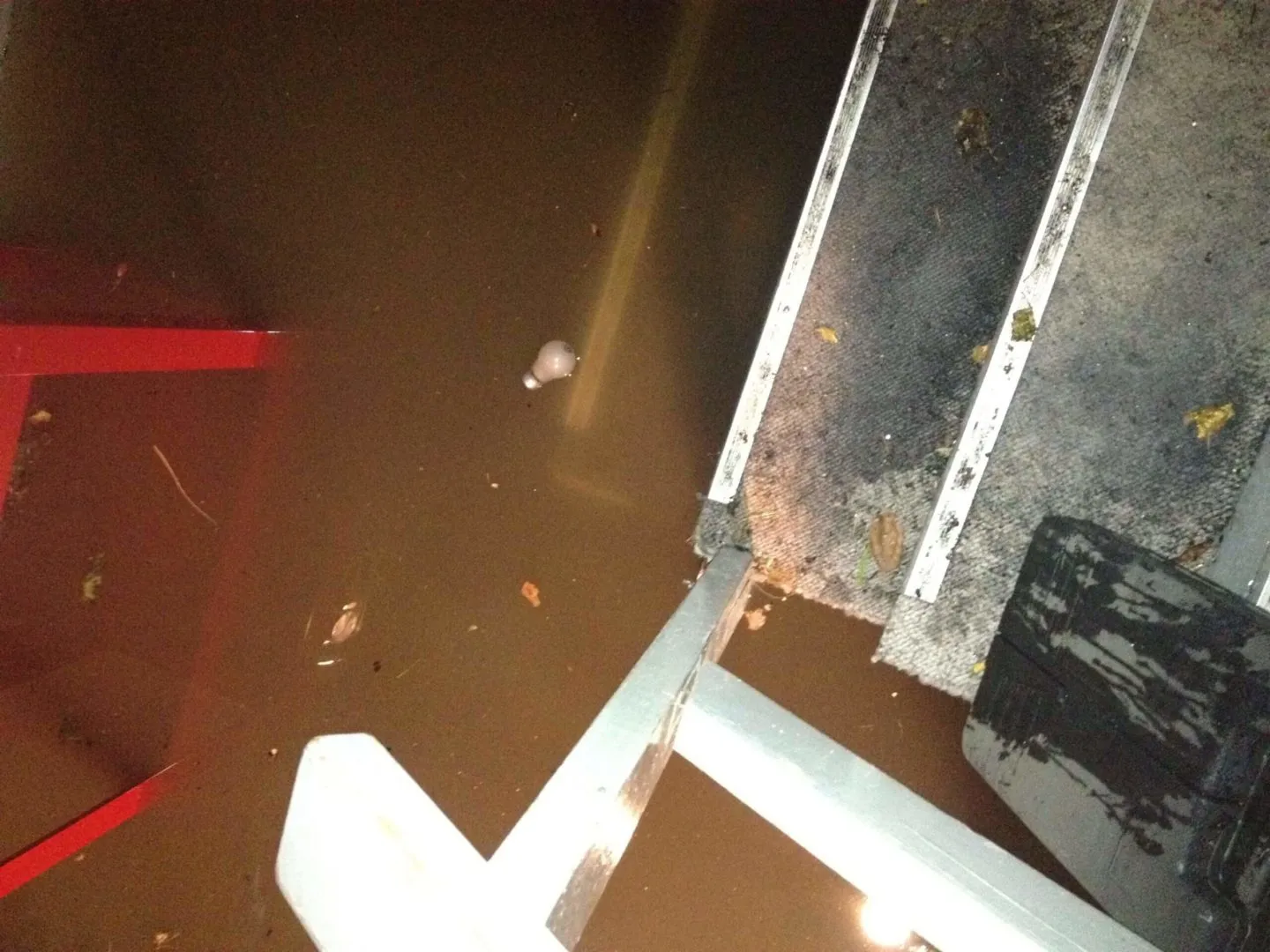
Southern California's dry climate creates a dangerous illusion—water damage that appears contained and manageable often conceals rapidly advancing mold colonies, structural decay, and hidden moisture accumulation behind walls where you can't see it happening. A burst pipe or water intrusion that costs $3,000 to remediate immediately becomes a $30,000+ catastrophe within months if left unaddressed, as SoCal's heat accelerates water penetration into building materials while dry air obscures the damage progression. Save The Day Restoration & Reconstruction understands how SoCal's unique climate conditions accelerate hidden water damage costs, and why immediate professional intervention prevents exponential expense escalation. Delayed water damage repairs transform manageable restoration projects into structural overhauls, complete reconstructions, and extensive mold remediation requiring months of work and substantial financial investment.
SoCal's Dry Climate Masks Hidden Mold Growth Behind Walls
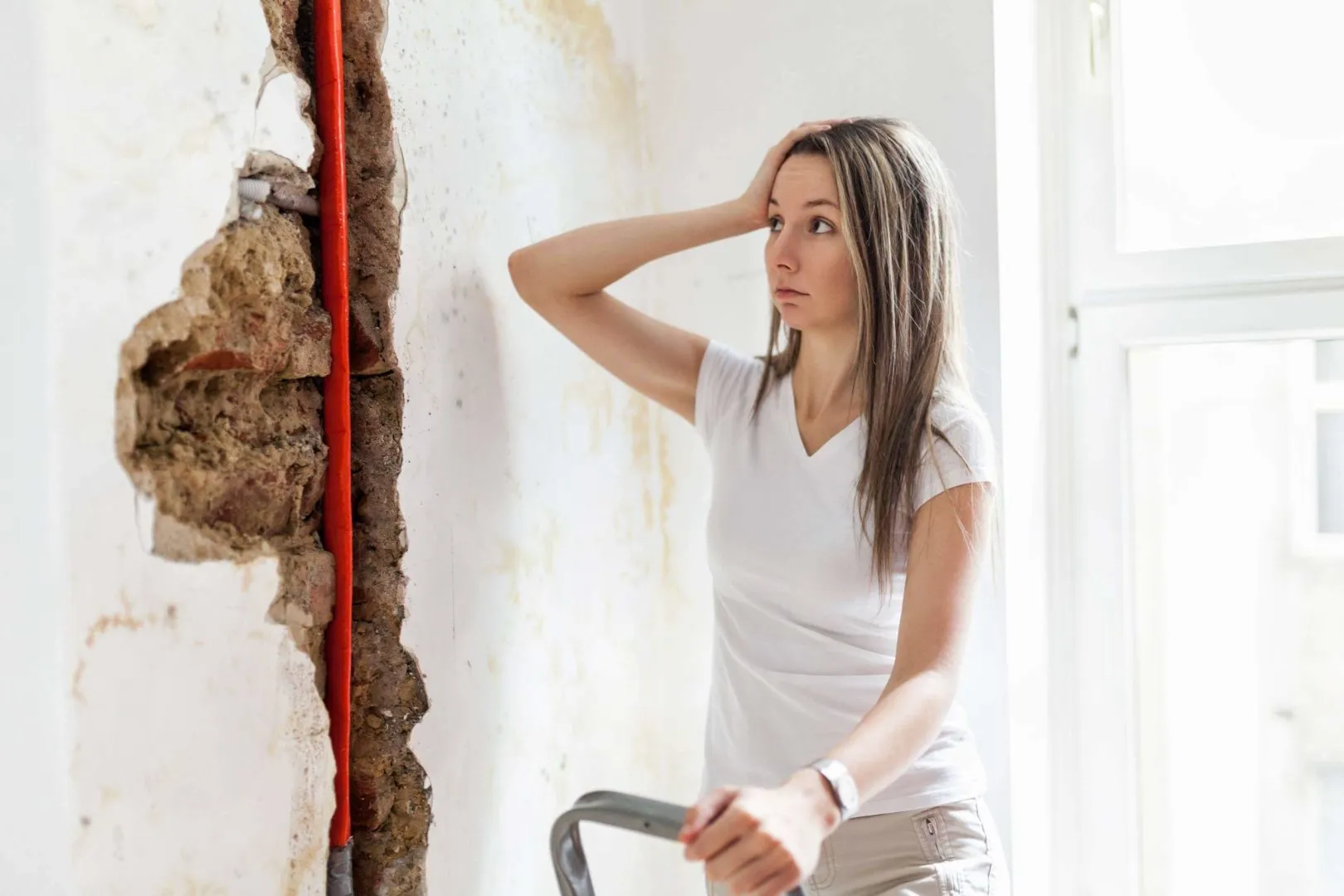
Water damage in Southern California doesn't behave like water damage in humid climates. While East Coast homes with high humidity show visible mold growth within days, SoCal's dry air creates false security—mold colonies develop silently behind walls, under flooring, and inside structural cavities without visible surface indicators. Moisture meters and thermal imaging reveal what your eyes cannot see: accelerating mold growth in wall cavities, attic spaces, and subflooring despite dry exterior conditions. SoCal's year-round sunshine and low rainfall mean residents rarely experience emergency water situations, leaving many unprepared when pipes burst or HVAC condensation lines fail. The absence of visible mold creates dangerous hesitation to act immediately, allowing fungal colonies to establish extensive root systems deep within building structures.
Timeline of Water Damage Cost Escalation in SoCal Heat
Day 1: A pipe bursts or HVAC condensation line fails. Water spreads across flooring and into wall cavities. Immediate professional response: $2,000-$3,500 for water extraction, dehumidification, and affected material removal. Cost if delayed 48 hours: $5,000-$7,000 as water penetrates deeper into subflooring and wall framing. Cost if delayed one week: $10,000-$15,000 as structural materials begin degrading and mold colonies establish. Cost if delayed three weeks: $20,000-$30,000+ as extensive mold remediation becomes necessary, structural repair costs multiply, and multiple wall cavities require opening and material replacement. Cost if delayed two months: $40,000-$60,000+ potentially including complete subflooring replacement, wall stud replacement, electrical system overhaul, and extensive mold remediation of expanded contaminated areas.
How SoCal Heat Accelerates Material Degradation
Southern California temperatures consistently reach 75-95°F, accelerating water evaporation into wall cavities and creating ideal conditions for mold proliferation. SoCal homes built with standard drywall, wood framing, and paper-faced insulation offer no resistance to moisture penetration—these materials absorb water rapidly and degrade quickly once saturated. Wood framing exposed to sustained moisture begins losing structural integrity within weeks in SoCal heat conditions. Drywall paper facing dissolves in water, destroying the material's structural properties and leaving a nutrient-rich medium for mold growth. Insulation loses thermal properties when saturated and becomes a mold growth substrate. Building materials that might stabilize temporarily in cool climates begin irreversible degradation within days in SoCal's heat.
Mold Growth Acceleration in California's Dry Climate
Mold requires moisture (present in water-damaged materials), oxygen (abundant in building cavities), and nutrients (present in drywall, wood, and insulation). SoCal's low humidity doesn't prevent mold growth if moisture is present in building materials themselves. Mold colonies growing inside walls don't require surface moisture—they feed on damp materials and spread rapidly in SoCal's warm conditions, doubling colony size every 24-48 hours in ideal circumstances. By week two after water intrusion, mold contamination has often expanded from the initial water damage area to adjacent wall cavities and structural components. Professional remediation that cost $3,000 on day one now requires $15,000+ as extensive contaminated materials must be removed and replaced. Week three or later, mold has often penetrated HVAC systems, attic spaces, and insulation, requiring whole-home remediation approaches costing $30,000-$60,000.
Structural Degradation Timeline in SoCal Climate
Week one: Water-saturated wood framing retains structural capacity but begins absorbing moisture deeper into material. Week two: Wood framing moisture content approaches saturation, and structural integrity begins measurable decline. Mold organisms begin breaking down wood cell structures. Week three: Wood framing loses 10-20% structural strength in some areas. Continued mold growth accelerates cellular breakdown. Week four: Structural degradation becomes severe in heavily saturated areas. Visible warping and dimensional change occurs as wood loses moisture and shrinks. Month two: Structural failures may occur—walls bow, subflooring creaks and flexes abnormally, and framing members crack. Termites and carpenter ants attract to water-damaged wood, creating additional structural threats. Month three or later: Complete structural failure of affected wall sections becomes possible. Building code violations emerge as structural safety standards are compromised.
The $3,000 Versus $30,000 Reality
Immediate response after water intrusion: Professional water extraction removes standing water within 4-6 hours. High-powered dehumidifiers and air movers dry materials to acceptable moisture levels within 24-48 hours. Restoration specialists identify and remove materials that cannot be dried and restored. Insurance adjusters assess damage and authorize repairs. Total cost: $3,000-$4,000 with most materials salvageable and structural components intact. Professional mold remediation: $500-$2,000 for post-water mold prevention treatments. Timeline: 5-7 days from water event to completion and occupancy restoration. Delayed response (48+ hours): Water has penetrated wall cavities and subflooring. Materials begin irreversible degradation. Dehumidification becomes less effective as moisture has distributed throughout building cavities. Cost escalates to $8,000-$12,000. Mold growth has begun establishing. Additional mold remediation costs $3,000-$5,000. Timeline extends to 2-3 weeks.
Extended Delay Scenario (2+ weeks)
Mold colonies have established extensive root systems throughout affected wall cavities and insulation. Structural materials show visible degradation. Multiple wall sections require opening to assess hidden contamination. Subflooring replacement becomes necessary. HVAC system assessment reveals mold growth in ductwork. Electrical systems may require inspection if water exposure involved. Demolition costs: $5,000-$8,000 to remove affected walls, flooring, and insulation. Structural repair costs: $8,000-$15,000 to replace wall framing, subflooring, and support structures. Mold remediation: $8,000-$15,000 for comprehensive remediation and containment. Electrical system overhaul: $3,000-$5,000 if water-exposed circuits require replacement. HVAC cleaning and remediation: $2,000-$4,000. Restoration and finishing: $5,000-$10,000 to rebuild walls, install new flooring, paint, and finish spaces. Total cost: $31,000-$57,000. Timeline: 6-12 weeks or longer depending on extent of mold contamination and structural damage discovered during remediation.
Insurance Implications of Delayed Water Damage Response
California homeowners insurance covers sudden water damage caused by burst pipes, HVAC system leaks, and appliance failures. Coverage does not extend to damage caused by gradual leaks, poor maintenance, or failure to respond promptly to water intrusion. Insurance companies reserve the right to reduce or deny claims if policyholders failed to take reasonable steps to prevent further damage or mitigate damage extent. Delaying professional water remediation creates documentation that you did not act promptly to prevent escalating damage—insurers may use this against your claim. Quick response with professional documentation creates a clear record that you acted responsibly to prevent damage expansion. Insurance adjusters assess damage extent at the time of inspection—earlier inspections document smaller damage scope, potentially reducing out-of-pocket costs and deductible application. Extended delays allow damage extent to expand, potentially exceeding policy limits and creating situations where insurers deny portions of claims as exceeding coverage maximums.
Hidden Damage Areas in SoCal Homes
Attic spaces accumulate water from roof leaks that travel along rafters and insulation, creating mold colonies that spread into living spaces below. Subflooring in SoCal homes built on concrete slabs develops hidden moisture problems when plumbing leaks below grade, requiring expensive foundation repair and subflooring replacement. HVAC return air plenums and ductwork collect moisture from leaking condensation lines and refrigerant leaks, distributing mold throughout the entire home via air circulation. Wall cavities behind shower enclosures and sinks become contaminated from slow plumbing leaks that aren't noticed for weeks or months. Insulation in walls and attics absorbs water from ceiling leaks, condensation, and HVAC issues, becoming a mold growth medium. Electrical wire insulation deteriorates when exposed to moisture, creating fire hazards that aren't visible until electrical problems develop.
Why Professional Inspection Prevents Cost Escalation
IICRC Certified restoration professionals assess water intrusion during initial inspection, identifying all affected areas and potential hidden damage zones. Moisture meters reveal water penetration into materials that appear dry on the surface. Thermal imaging shows temperature differentials that indicate moisture distribution patterns invisible to the human eye. Professional documentation creates detailed records of damage scope at the time of initial assessment, protecting your insurance claim and establishing baseline conditions. Early identification allows remediation specialists to develop targeted repair plans addressing all damage zones comprehensively, preventing missed areas that become costly problems later. Professional assessment determines whether materials can be dried and restored or require demolition and replacement—optimizing repair costs by salvaging materials where possible and removing permanently damaged materials efficiently.
Prevention Strategies to Avoid Water Damage Costs
Annual HVAC system inspection includes condensation line assessment and cleaning to prevent blockages that cause water damage. Regular plumbing inspection identifies slow leaks before they cause extensive damage. Immediate repair of small leaks prevents water penetration into building materials. Proper grading around home foundations diverts rainwater away from structures. Gutter cleaning and maintenance prevents overflow that causes water intrusion into attic and wall spaces. Sump pump maintenance and backup power ensures functioning during rainy periods. Water heater pan inspection and drain line verification prevent tank leakage damage. Foundation crack sealing prevents moisture infiltration into basements and crawl spaces. Attic ventilation maintains appropriate moisture levels, preventing condensation accumulation.
Contact Save The Day Restoration & Reconstruction
Southern California homeowners facing water damage must act immediately to prevent cost escalation and structural damage. Save The Day Restoration & Reconstruction serves LA County and Orange County with rapid response expertise and IICRC Certified assessment capabilities. Professional inspection within 24 hours of water intrusion determines damage scope and prevents hidden damage expansion into expensive repair scenarios. Don't delay—contact Save The Day Restoration & Reconstruction immediately at (562) 246-9908 for emergency water damage response and professional remediation. Our team responds within hours to prevent the $3,000 repair from becoming a $30,000+ catastrophe. IICRC Certified License #1049188.
Frequently Asked Questions
How quickly does mold grow after water damage in Southern California?
Mold can begin growing within 24 hours of water intrusion in SoCal's warm climate, though visible growth may not appear for several days due to mold development occurring behind walls and in structural cavities. Professional remediation within 48 hours significantly reduces mold growth risk and prevents expense escalation.
What's the typical cost difference between immediate and delayed water damage repair?
Immediate professional response costs $3,000-$4,000 including extraction, drying, and material removal. Delayed response (2+ weeks) typically costs $30,000-$60,000 including structural repair, mold remediation, and material replacement. Acting quickly can prevent a 10-fold cost increase.
Can SoCal's dry climate prevent mold growth after water damage?
No. While low humidity doesn't cause mold growth, moisture in building materials absolutely does. SoCal's heat actually accelerates mold growth in damp materials, and low humidity can mask the problem until contamination becomes severe.
Does homeowners insurance cover all water damage repair costs?
Standard homeowners insurance covers sudden water damage from burst pipes and appliance failures. Insurance does not cover gradual leaks, poor maintenance issues, or damage expansion caused by delayed response. Quick professional response supports insurance claims and prevents coverage denial.
How can I prevent water damage costs in my SoCal home?
Annual HVAC maintenance, regular plumbing inspection, gutter cleaning, proper foundation grading, and sump pump testing prevent most water intrusion problems. Immediate repair of any leaks prevents water penetration into building materials.
Save The Day Restoration & Reconstruction Emergency Water Damage Response
Contact Save The Day Restoration & Reconstruction at (562) 246-9908 for emergency water damage response throughout LA County and Orange County. Our IICRC Certified team responds within hours of your call, assessing damage and implementing immediate remediation to prevent escalating repair costs. Protect your investment—call immediately when water damage occurs. IICRC Certified License #1049188.
.png)

About Save The Day Restoration
Save The Day Restoration & Reconstruction is a locally owned disaster restoration company in Signal Hill, CA serving all of Los Angeles and Orange County. We handle water damage, fire damage, mold remediation, and licensed reconstruction. IICRC certified. Contractor #1049188. Call (562) 246-9908 anytime.

Keep reading
More expert guides from our restoration team

Damage needs immediate action
Call (562) 246-9908 for 24/7 emergency restoration. Licensed #1049188. Serving all of LA and Orange County.